



Gestione delle Riunioni
8 min di lettura
Updated on:
Dec 2, 2025
Kick-off meeting: una guida pratica
Vuoi sapere cos'è una riunione di avvio e come gestirla in modo efficiente? Ecco la tua guida.

Una riunione di avvio efficace conferisce al tuo team chiarezza e sicurezza.
Ma ecco il punto: non serve una riunione più lunga, ne serve una più strutturata.
In questo articolo imparerai esattamente come gestire una riunione di avvio che prepari il tuo progetto al successo.
Cosa sono le riunioni di avvio?
Una riunione di avvio è il primo incontro ufficiale per un nuovo progetto. Riunisce il team di progetto e, spesso, gli stakeholder o i clienti, nel momento in cui si sta per passare dalla pianificazione all'esecuzione.
È il momento in cui presenti lo scopo, l'ambito, le tempistiche e i ruoli del progetto. Crea una visione condivisa affinché tutti partano dalla stessa base.
🎯 Lo scopo principale di una riunione di avvio
- Allineare il team e gli stakeholder su visione e obiettivi. La riunione di avvio chiarisce il motivo per cui il progetto esiste e cosa significa avere successo. Definisce i risultati attesi e garantisce che tutti comprendano l'obiettivo comune.
- Chiarire l'ambito, i risultati finali e le modalità di collaborazione. L'incontro specifica cosa è incluso, e cosa no, per evitare malintesi. Definisci inoltre chi fa cosa e come avverrà la collaborazione (canali di comunicazione, responsabilità, processi decisionali, ecc.).
- Stabilire ruoli, responsabilità e chiarezza decisionale. Tutte le persone coinvolte (membri del team, sponsor, clienti, partner) imparano a conoscere le rispettive responsabilità. Ciò riduce la confusione e accelera il coordinamento una volta avviato il progetto.
- Creare coinvolgimento, motivazione e senso di responsabilità condivisa. Una riunione di avvio non è solo informativa, è motivazionale. Quando le persone comprendono il perché, la visione e il proprio ruolo, sono più coinvolte fin dall'inizio.
- Fornire chiarezza e un punto di riferimento comune per l'intera durata del progetto. Dalle tempistiche alle tappe fondamentali, fino ai rischi e alla governance, la riunione di avvio stabilisce il contratto iniziale: cosa è previsto, entro quando e chi è coinvolto.
Di cosa parlare in una riunione di avvio
Una buona riunione di avvio getta le basi dell'intero progetto. Ecco cosa dovresti trattare
🎯 Argomenti principali da trattare
Visione, scopo e obiettivi del progetto
Inizia spiegando chiaramente il motivo per cui esiste questo progetto. Quale problema stai risolvendo o quale opportunità stai cogliendo? Cosa significa avere successo una volta completato il lavoro? Questa visione condivisa crea allineamento e motivazione: quando tutti comprendono il "perché", sono più coinvolti.
Ambito, risultati attesi e deliverable
Definisci con precisione cosa è incluso nel progetto e, cosa altrettanto importante, cosa è escluso. Quali output, funzionalità, deliverable o risultati sono previsti? Quali sono i limiti o i vincoli del progetto? Essere espliciti fin da subito previene malintesi futuri e mantiene le aspettative realistiche.
Tempistiche, milestone, fasi principali e scadenze
Condividi il programma generale: scadenze chiave, date delle milestone e fasi principali. Quando sono previsti i deliverable o le revisioni più importanti? Avere una timeline, anche di massima, offre a tutti chiarezza sui ritmi di lavoro e aiuta a coordinare le attività tra i vari collaboratori.
Ruoli e responsabilità
Assicurati che tutti sappiano chi fa cosa. Chiarisci chi è responsabile di quali attività, chi convalida le decisioni, chi si occupa dei deliverable e chi monitora l'avanzamento. Se necessario, utilizza una semplice matrice di responsabilità (come la RACI) per documentare il tutto: eviterai duplicazioni, confusione o lacune.
Piano di comunicazione e collaborazione
Stabilisci come lavorerete insieme: quali strumenti userete (chat, software di project management, documenti), con quale frequenza vi incontrerete o vi aggiornerete, come condividerete report e come gestirete approvazioni o feedback. Avere regole chiare fin dall'inizio aiuta a evitare attriti in seguito.
Rischi, presupposti, vincoli e dipendenze
Ogni progetto comporta delle incertezze. Usa il kick-off per far emergere i rischi noti (tecnici, umani, di risorse, di tempistiche...), i vincoli (budget, disponibilità, strumenti...) e le dipendenze (altri team, partner esterni, deliverable). Discuti come intendi monitorare e gestire i rischi. Questa trasparenza iniziale costruisce fiducia e resilienza.
Stakeholder, decisori e governance (se pertinente)
Se il progetto coinvolge clienti esterni, sponsor o più team, chiarisci chi è coinvolto, chi deve approvare i deliverable e come verranno prese o escalate le decisioni. Questo garantisce responsabilità e mantiene chiari i canali di comunicazione.
Domande, chiarimenti e aspettative di tutti
Lascia spazio ai partecipanti per porre domande, esprimere dubbi, chiarire presupposti o segnalare informazioni mancanti. Questa discussione aiuta a far emergere precocemente eventuali malintesi e assicura che tutti partano con la stessa chiarezza.
Gli errori più comuni durante il kick-off meeting e come evitarli
Trascurare la fase iniziale di un progetto, ovvero il kick-off meeting, significa rischiare disallineamenti, confusione e spreco di energie.
🚩 Errore: Mancanza di preparazione o obiettivi poco chiari
Uno degli errori più frequenti è presentarsi al kick-off senza un'agenda definita o obiettivi chiari. Questo trasforma la riunione in una discussione dispersiva e lascia i partecipanti senza una reale comprensione del motivo per cui sono stati convocati.
Cosa fare invece: Prima della riunione, stabilisci uno scopo concreto. Definisci cosa deve essere deciso, presentato o condiviso. Invia l'agenda in anticipo. Quando tutti sanno perché sono lì e cosa ci si aspetta da loro, il progetto parte con chiarezza, non con supposizioni.
🚩 Errore: Invitare troppe persone, o includere chi non è necessario
Alcuni kick-off diventano troppo affollati — tra stakeholder, collaboratori esterni e osservatori — e la riunione perde slancio. Con troppe voci o troppi partecipanti poco coinvolti, le discussioni si perdono e prendere decisioni diventa difficile.
Cosa fare invece: Mantieni la lista degli invitati essenziale. Riunisci solo le persone che devono essere davvero allineate all'avvio: il team di progetto principale, i decisori e gli stakeholder con responsabilità dirette. Gli altri potranno ricevere un riepilogo in seguito. Questo mantiene alta l'attenzione e rende la riunione più efficiente.
🚩 Errore: Trattare il kick-off come una semplice trasmissione di informazioni
È forte la tentazione di usare il kick-off per sommergere tutti di documentazione, contesto, cronistoria e dettagli. Ma riversare troppe informazioni tutte insieme confonde i partecipanti, disperde l'attenzione e riduce il coinvolgimento.
Cosa fare invece: Condividi il materiale di base in anticipo (letture preliminari, documenti, brief) in modo che le persone possano assimilare il contesto prima dell'incontro. Usa il kick-off per l'allineamento, i chiarimenti, le decisioni e la condivisione degli intenti, non per leggere le slide insieme.
🚩 Errore: Non chiarire i ruoli e non presentare il team
Quando i partecipanti non sanno esattamente chi fa cosa, o non comprendono ruoli e responsabilità, la collaborazione diventa caotica. I membri del team potrebbero sovrapporsi nei compiti, creare conflitti di competenza o esitare, frenando lo slancio del progetto.
Cosa fare invece: Inizia con un rapido giro di presentazioni o una spiegazione dei ruoli. Chiarisci chi è responsabile di cosa, chi prende le decisioni e chi risponde dei risultati. Definisci fin da subito la governance e i processi decisionali.
🚩 Errore: Ignorare rischi, presupposti e vincoli all'inizio
Un avvio di progetto che si concentra solo su deliverable, scadenze e "cosa fare" — senza affrontare rischi, vincoli e dipendenze — ti espone spesso a sorprese e alla necessità di rifare il lavoro.
Cosa fare invece: Dedica del tempo durante il kick-off a far emergere rischi, presupposti, vincoli e dipendenze noti. Discuti su come monitorarli o mitigarli. Questa trasparenza iniziale aiuta a costruire fiducia e preparazione, riducendo le sorprese in futuro.
🚩 Errore: Presentare un piano rigido senza spazio per domande o feedback
Quando tratti il kick-off come una presentazione a senso unico — "ecco il piano, le cose stanno così" — spesso tralasci dubbi, preoccupazioni o incomprensioni. Le persone se ne vanno con domande o obiezioni silenziose che, in seguito, rallentano il progresso o minano l'impegno.
Cosa fare invece: Incoraggia le domande, invita a dare feedback e apri uno spazio per i chiarimenti. Rendi il kick-off interattivo, non solo una presentazione di slide. Questo garantisce che tutti comprendano appieno, si sentano coinvolti e si impegnino nel progetto con chiarezza e convinzione.
Agenda e struttura ideali per il kick-off meeting
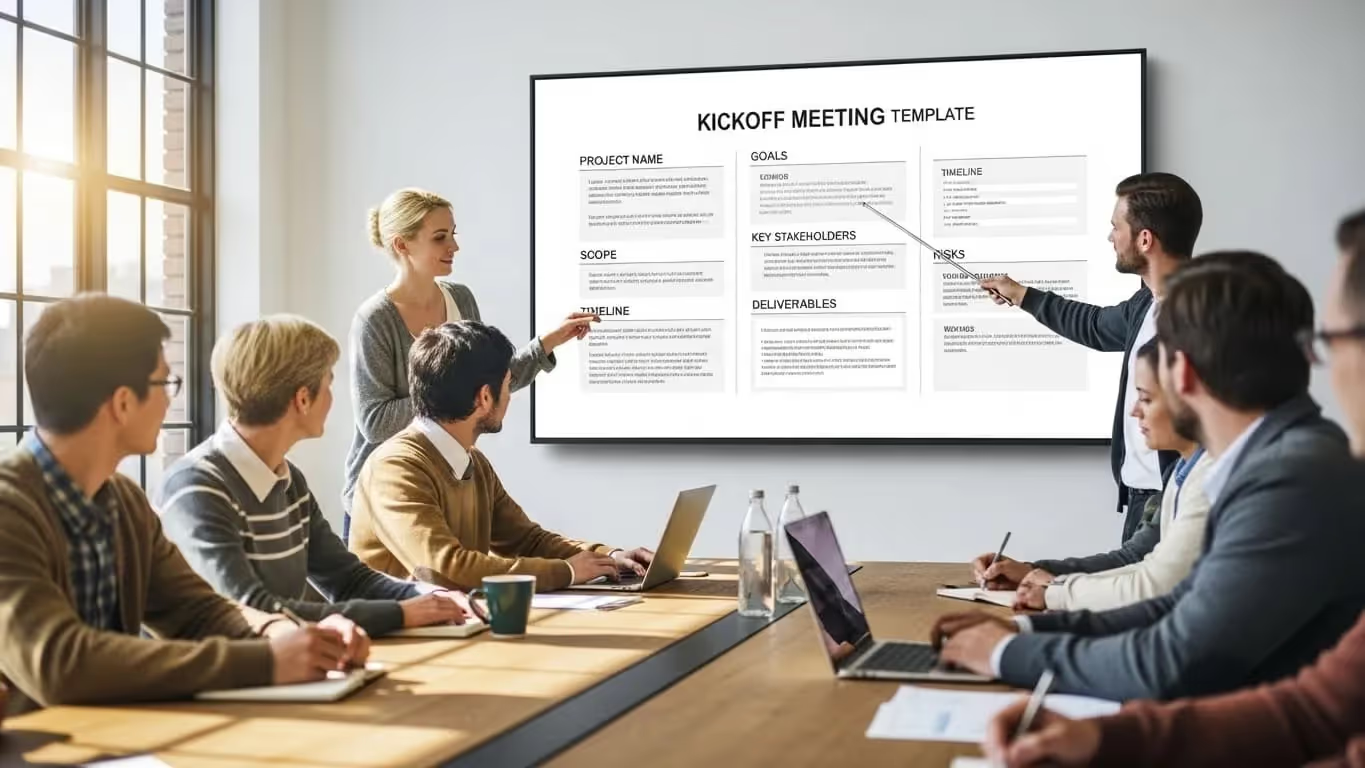
Dettagli della riunione
- Nome della riunione / Scopo: Kick-off di progetto / Lancio dell'iniziativa
- Data: [] — Orario: [] — Durata prevista: ~ 60–90 min (da adattare se più semplice o più lungo)
- Partecipanti: [Elenca nomi e ruoli: team principale, stakeholder, decisori, eventualmente clienti o partner esterni]
- Preparazione / Letture preliminari (inviate in anticipo): brief o statuto del progetto; piano o cronoprogramma di alto livello; eventuale documentazione di contesto o di base.
Agenda e svolgimento
1. Benvenuto e presentazioni (5–10 min)
- Giro di tavolo rapido: ogni partecipante indica nome, ruolo/dipartimento e principale competenza o responsabilità. Se alcuni non si conoscono, aiuta a rompere il ghiaccio.
- Breve spiegazione dello scopo della riunione e dei risultati attesi al termine. Definisci il tono.
2. Panoramica: contesto e finalità del progetto (10–15 min)
- Presenta cosa ha dato il via al progetto: contesto, perché è importante, principali opportunità o problemi affrontati.
- Condividi gli obiettivi di alto livello e cosa definisce il successo. Quali sono i traguardi o i risultati principali?
3. Ambito e deliverable (10 min)
- Definisci chiaramente cosa rientra nell'ambito: deliverable attesi, output, funzionalità o risultati.
- Chiarisci cosa è fuori ambito o cosa non verrà affrontato, per evitare malintesi.
4. Tempistiche e tappe fondamentali (10 min)
- Presenta la cronologia generale del progetto: data di inizio, fasi, tappe fondamentali, scadenze o date di consegna principali.
- Se pertinente, spiega la metodologia di gestione del progetto (ad esempio agile, waterfall, ibrida) e come strutturerà il flusso di lavoro.
5. Ruoli e responsabilità (5–8 min)
- Spiega chi fa cosa: ruoli principali, chi è responsabile o incaricato di ogni deliverable o decisione, assegnazione degli stakeholder. Una semplice suddivisione in stile RACI può essere utile.
- Indica chi è il punto di contatto principale, chi gestisce le approvazioni, chi è coinvolto nel processo decisionale, ecc.
6. Piano di comunicazione e collaborazione (5–8 min)
- Concordate strumenti e canali (software di project management, documenti condivisi, chat, frequenza delle riunioni).
- Definite come e con quale frequenza avverranno aggiornamenti, feedback, revisioni o check-in. Chi informa chi e quando.
7. Rischi, presupposti, vincoli e dipendenze (8–10 min)
- Elenca i rischi noti, i presupposti fatti e i vincoli (budget, tempistiche, risorse).
- Identifica le dipendenze — altri team, fattori esterni, punti di approvazione — e come potrebbero influire sulle tempistiche o sulla consegna.
- Decidete come monitorare i rischi e stabilite piani di mitigazione o di emergenza di base.
8. Domande, chiarimenti e discussione aperta (10 min)
- Invita i partecipanti a porre domande, sollevare dubbi e chiarire i punti poco chiari. È importante per l'allineamento e il coinvolgimento.
- Incoraggia il feedback; potresti annotare gli argomenti che richiedono una discussione più approfondita in un secondo momento (parking lot).
9. Prossimi passi e piano d'azione (5 min)
- Ricapitola le decisioni chiave prese durante il kick-off: ambito confermato, deliverable, ruoli e azioni iniziali.
- Assegna le attività immediate indicando i responsabili e le scadenze indicative.
- Concordate la frequenza dei follow-up: quando e come verrà monitorato il progetto (aggiornamenti di stato, prossimo check-in, revisioni con gli stakeholder).
10. Chiusura e riepilogo
- Ringrazia i partecipanti per il tempo e l'impegno dedicati.
- Condividi rapidamente il riepilogo o il verbale della riunione subito dopo l'incontro (documenta i risultati, i compiti assegnati, i passaggi successivi e le decisioni prese). Questo passaggio garantisce chiarezza e responsabilità.
Note e follow-up automatici per le riunioni di avvio: Noota

Una riunione di avvio è densa di contenuti. Cercare di annotare tutto manualmente può portare a ricordi confusi, appunti sparsi o decisioni dimenticate.
È qui che Noota dà il meglio di sé.
- Registrazione e trascrizione automatica — Noota ascolta e trascrive tutto, che la riunione sia da remoto o in presenza. Ogni parola, idea, decisione e domanda viene catturata.
- Riepiloghi strutturati e report operativi istantanei — Non appena la riunione termina, Noota fornisce un riepilogo chiaro: obiettivi del progetto, risultati attesi, responsabilità, rischi segnalati e passaggi successivi. Basta perdere tempo a scrivere verbali o a ricomporre appunti frammentati.
- Estrazione e assegnazione chiara delle attività — Noota identifica le decisioni e le attività da svolgere, indicando i responsabili e il contesto necessario. In questo modo, nulla di quanto discusso durante l'avvio del progetto andrà perso.
- Archivio riunioni ricercabile e condivisibile — Tutte le riunioni di avvio passate (e quelle successive) vengono archiviate e sono facilmente ricercabili. I nuovi membri del team, gli stakeholder o chiunque abbia perso la riunione può mettersi in pari o verificare cosa è stato deciso, quando e da chi.
Vuoi automatizzare il follow-up delle tue riunioni di avvio e di progetto? Prova Noota gratuitamente ora
Chi è l'autore

Jean-marc is an AI expert helping recruiters & professionnals leverage these tools in the everyday.
FAQ
Una kick-off meeting è il primo incontro ufficiale di un progetto che riunisce il team, stakeholder e clienti. Crea allineamento sulla visione, chiarisce scope e ruoli, stabilendo una base solida per il successo del progetto e riducendo confusione durante l'esecuzione.
- Allinea il team sulla visione e sugli obiettivi comuni
- Chiarisce lo scopo, i risultati attesi e le responsabilità
- Crea coinvolgimento e motivazione condivisa
Una kick-off meeting efficace deve coprire: visione e obiettivi del progetto, scope e deliverable attesi, timeline e milestone, ruoli e responsabilità, rischi e governance. Questi elementi creano un contratto iniziale chiaro su cosa, quando e chi è coinvolto nel progetto.
- Visione, purpose e obiettivi del progetto
- Scope, deliverable e risultati attesi
- Timeline, milestone e deadline principali
Noota automatizza la documentazione delle riunioni, riducendo l'admin dell'80% e risparmiando 6,4 ore settimanali. Con trascrizione in 80+ lingue e rating 4,9/5 su G2, garantisce che ogni dettaglio della kick-off sia catturato e accessibile a tutti i 5000+ team che lo usano.
- Trascrizione automatica in 80+ lingue
- Riduce admin dell'80% e risparmia tempo
- Rating 4,9/5 su G2 da 5000+ team
Noota è la soluzione ideale: cattura automaticamente ogni discussione, genera riassunti strutturati e condivide insights con il team in pochi secondi. Risparmia 6,4 ore settimanali di admin e garantisce che nessun dettaglio della kick-off vada perso. Prova Noota gratis — nessuna carta di credito richiesta.
- Cattura automatica di ogni discussione
- Riassunti strutturati in secondi
- Condivisione istantanea con il team