



Gestión de Reuniones
8 min de lectura
Updated on:
Dec 2, 2025
Reuniones diarias: una guía práctica
¿Quieres saber qué es una reunión diaria y cómo llevarla a cabo de forma eficiente? Aquí tienes tu guía.

Tu día puede desviarse rápidamente. Una prioridad poco clara, un obstáculo oculto o una entrega fallida bastan para ralentizar a todo tu equipo.
Por eso mismo, tu reunión diaria es fundamental.
En este artículo, aprenderás a realizar reuniones diarias que cumplan con su propósito.
¿Qué son las reuniones diarias?
Una reunión diaria (a menudo llamada "daily stand-up" o "reunión de seguimiento") es un encuentro breve y enfocado que el equipo mantiene al inicio (o durante) la jornada laboral.
A diferencia de las reuniones semanales o mensuales, que son más largas, la reunión diaria está diseñada para ser breve: normalmente entre 5 y 15 minutos. Mantenerla corta obliga a ser claros: solo se trata lo esencial, se evitan rodeos innecesarios y se mantiene un buen ritmo de trabajo.
¿Qué sucede en una reunión diaria? Cada miembro del equipo comparte tres cosas: lo que logró desde la última reunión, lo que planea hacer hoy y si enfrenta algún obstáculo.
Aunque el concepto proviene del desarrollo de software y de marcos de trabajo ágiles como Scrum o Kanban, las reuniones diarias no se limitan a los equipos de TI. Muchos equipos de diversos sectores —marketing, operaciones, producto, etc.— utilizan ahora reuniones de seguimiento diarias siempre que su trabajo requiera una colaboración frecuente y ritmos intensos.
De qué hablar en una reunión diaria
Una reunión diaria (o "stand-up") funciona mejor cuando se centra en lo esencial.
✅ Tus tres preguntas clave
Cada participante debe responder brevemente a tres preguntas sencillas:–
- ¿Qué lograste desde la última reunión?
Comparte lo que se hizo desde ayer: tareas completadas, avances en proyectos o cualquier novedad relevante. Esto da visibilidad a todos sobre los logros y facilita la coordinación de las entregas. - ¿En qué trabajarás hoy? Define tu enfoque para el día: tareas clave, prioridades u objetivos. Esto ayuda a alinear los esfuerzos de todo el equipo para que todos sepan quién hace qué y se eviten duplicidades o confusiones.
- ¿Enfrentas algún obstáculo o bloqueo?
Señala cualquier cosa que pueda impedirte avanzar: dependencias, falta de recursos, incertidumbres o bloqueos inesperados. Esto permite detectar problemas a tiempo para que el equipo pueda ayudar o ajustar el rumbo rápidamente.
🔄 Opcional, pero útil: otros temas rápidos de sincronización
Dependiendo de tu equipo y de su ritmo diario, podrías añadir algunos puntos adicionales cuando sea relevante:
- Dependencias del equipo o entre equipos — Si las tareas dependen del trabajo de otros, verifica quién está esperando qué. Esto ayuda a evitar sorpresas más adelante. Es especialmente útil cuando interactúan varios equipos o áreas.
- Actualizaciones o cambios inmediatos — Información nueva, solicitudes urgentes o cambios repentinos en las prioridades. Las reuniones diarias son perfectas para adaptarse rápidamente.
- Riesgos urgentes o problemas sensibles al tiempo — Si existe un riesgo para la entrega, un error crítico o cualquier asunto urgente, señálalo ahora en lugar de después. La reunión debe sacar a la luz lo que requiere atención inmediata.
- Breve alineación sobre el objetivo del sprint o del equipo (si aplica) — En equipos ágiles, puedes vincular el trabajo diario con los objetivos del sprint. Una nota rápida sobre si te estás acercando o alejando de la meta puede mantener al equipo enfocado.
Los mayores errores en las reuniones diarias y qué hacer en su lugar
Cuando diriges reuniones diarias, es fácil caer en rutinas que anulan su propósito. Muchos de los errores más comunes son sutiles, pero poco a poco convierten una revisión diaria potencialmente poderosa en un hábito que consume tiempo y desmotiva. A continuación, presentamos esas trampas y lo que deberías hacer en su lugar para mantener la eficacia de las reuniones.
🚩 Error: dejar que la reunión se alargue o exceda su límite de tiempo
Uno de los errores más comunes es perder el control del tiempo: una reunión diaria pensada para durar entre 5 y 15 minutos termina tomando 20, 30 minutos o más. Eso hace que la reunión se sienta pesada, desperdicia tiempo y reduce la energía para el resto del día.
Qué hacer en su lugar: Mantén el límite de tiempo estrictamente. Recuerda a los participantes desde el principio que las actualizaciones deben ser breves. Si un bloqueo o una discusión requiere más tiempo, anótalo, pero programa una reunión de seguimiento por separado. Trata la reunión diaria como un momento para "sincronizar y detectar problemas", no para profundizar en detalles.
🚩 Error: convertir la reunión diaria en un informe de estado largo o en un registro de "lo que hice ayer"
Muchos equipos usan mal la reunión diaria como un ritual detallado de informe de estado: cada miembro revisa una larga lista de tareas realizadas ayer, a menudo con demasiados detalles. Eso convierte la reunión en un monólogo, mata el compromiso y pierde de vista lo que realmente importa.
Qué hacer en su lugar: Enfoca las actualizaciones en el progreso hacia los objetivos compartidos, no en una lista interminable de tareas. Fomenta resúmenes concisos. Céntrate en lo que hace avanzar al equipo y en lo que podría bloquear ese progreso, en lugar de detallar cada tarea minuto a minuto.
🚩 Error: intentar resolver problemas o planificar trabajo detallado durante la reunión diaria
Una trampa clásica: alguien detecta un obstáculo y, de repente, el equipo se sumerge en una larga discusión para resolverlo, justo durante la reunión diaria. Eso amplía el alcance mucho más allá de lo que debería ser una reunión de seguimiento.
Qué hacer en su lugar: Utiliza la reunión exclusivamente para exponer problemas. Si algo requiere una discusión real —planificación, debate sobre arquitectura, dependencias—, programa una reunión aparte. De esa forma, la reunión diaria se mantiene breve y directa.
🚩 Error: excluir voces o permitir que algunas personas dominen
Si solo unos pocos miembros del equipo hablan, o si algunos permanecen en silencio, pierdes una visibilidad vital. Algunos problemas u obstáculos permanecen ocultos. Otros se sienten desconectados.
Qué hacer en su lugar: Asegúrate de que todos hablen, idealmente en un orden fijo o rotativo. Anima explícitamente a los miembros más callados del equipo. Mantén las actualizaciones breves para que todos tengan su turno. Respeta la regla: cada persona, cada vez.
🚩 Error: horario inconsistente, días omitidos o falta de rutina
Cuando las reuniones diarias ocurren en horarios irregulares, o se cancelan cuando alguien está ausente, el ritmo se rompe. La alineación del equipo sufre. El impulso disminuye. Los problemas clave pasan desapercibidos hasta que es demasiado tarde.
Qué hacer en su lugar: Establece una hora fija y conviértela en un compromiso. Incluso si alguien falta, los demás deben mantener el ritmo. La constancia genera confianza y garantiza la conciencia diaria en todo el equipo.
🚩 Error: perder el enfoque — distraerse, usar herramientas durante la reunión, convertirla en una reunión tradicional sentado
A veces, las reuniones diarias pierden su energía porque la gente se sienta en lugar de estar de pie, trae portátiles o teléfonos, o la trata como una reunión normal. Eso acaba con el enfoque, el impulso y el espíritu de "chequeo rápido".
Mejor agenda y estructura para la reunión diaria
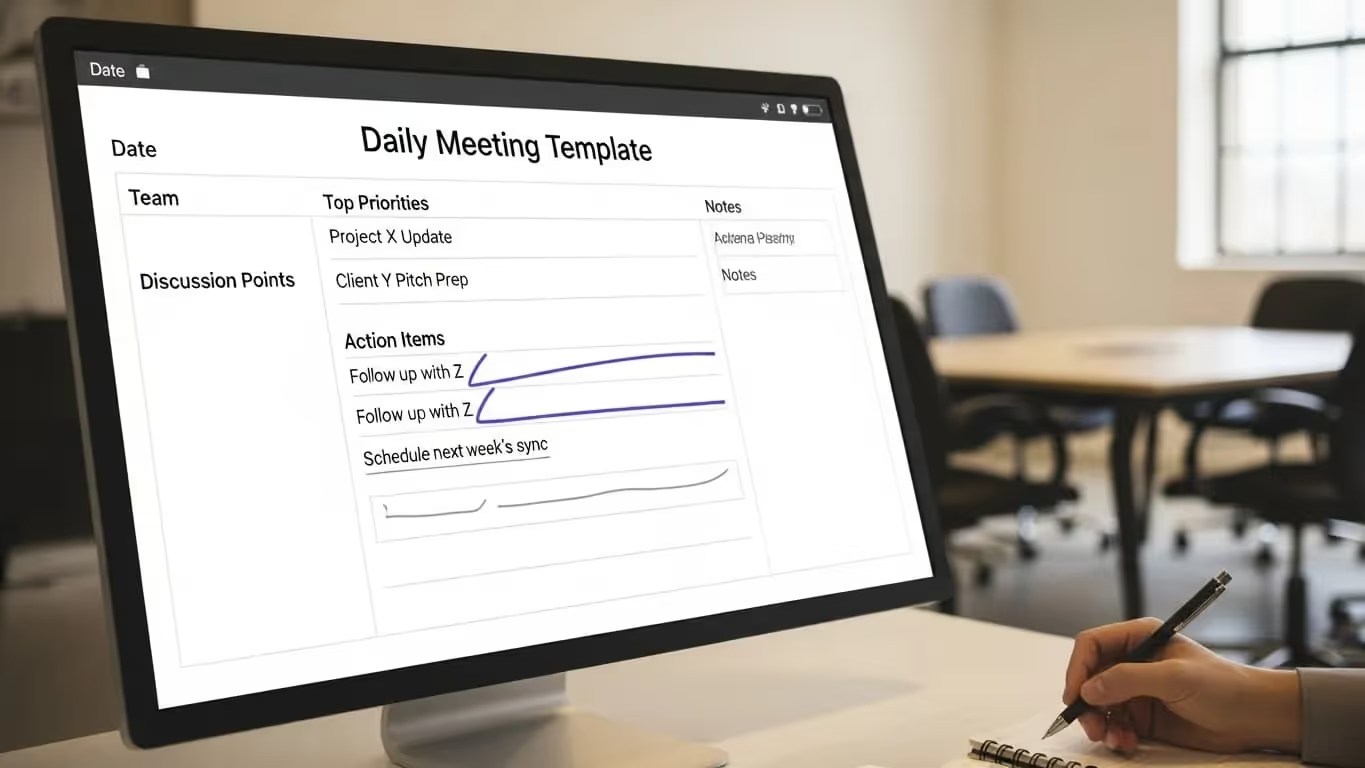
Conceptos básicos de la reunión
- Nombre de la reunión / Propósito: Reunión diaria / Chequeo diario / Sincronización diaria
- Fecha: [fill in date] — Hora: [p. ej. 09:30] — Duración: 5–15 min (máx.)
- Participantes: [lista de miembros del equipo] — Facilitador / Cronometrador: [nombre]
- Preparación (para cada participante): prepárate para responder 3 preguntas breves; actualiza tu tablero de tareas o lista de pendientes antes de la reunión.
Agenda y flujo
1. Apertura (≈ 1 min)
- Saludo rápido, recordatorio del propósito: “Estamos aquí para sincronizarnos rápidamente, identificar obstáculos y alinearnos para el día”.
- (Opcional) Breve control del estado de ánimo del equipo o un registro rápido de “una sola palabra” para medir la energía, pero sin extender el tiempo.
2. Actualizaciones por turnos (cada persona ~30–60 seg)
Cada participante responde brevemente:
- ¿Qué completaste desde la última reunión diaria?
- ¿En qué estás trabajando hoy?
- ¿Hay algún bloqueo o impedimento que te esté frenando?
Este es el núcleo de la reunión: céntrate en el progreso, los planes y los obstáculos.
3. Identificación de bloqueos (si los hay)
- Si alguien informa de un bloqueo: anótalo, pero no intentes resolverlo en ese momento.
- Acordad quién hará el seguimiento o programad una sesión aparte de «análisis profundo / resolución de problemas» si es necesario.
4. (Opcional) Revisión rápida entre equipos / dependencias
Si tu proyecto involucra a varias personas o equipos:
- ¿Hay alguna dependencia o entrega que coordinar hoy?
- ¿Alguien necesita aportaciones, revisiones o recursos de otro equipo?
Sé muy breve; evita debates detallados.
5. Cierre y recordatorio de acciones (aprox. 1 min)
- Confirma las tareas pendientes derivadas de los bloqueos o dependencias, asignando responsables y un plazo aproximado de seguimiento.
- Recuerda al equipo cuándo es la próxima reunión (a la misma hora mañana).
- Cierre: un rápido «Gracias a todos, ¡manos a la obra!».
Notas y seguimiento de reuniones diarias con IA: Noota

En 5-15 minutos, es fácil que se pierdan bloqueos, contexto, decisiones o tareas importantes, especialmente si nadie los anota. Ahí es donde Noota se convierte en una verdadera ventaja:
- Grabación y transcripción automática — Noota escucha, transcribe y registra lo que todos dicen, en tiempo real o a partir de grabaciones, para que ya no dependas de que alguien tome notas manualmente. Esto mantiene la agilidad de la reunión y permite que tu atención se centre en lo importante: la conversación.
- Resúmenes instantáneos y estructurados — Al terminar la reunión, Noota puede ofrecer inmediatamente un resumen conciso: quién dijo qué, qué tareas se acordaron, qué bloqueos persisten y qué seguimiento es necesario. Esto mantiene la claridad incluso para quienes no asistieron o para consultarlo más adelante.
- Seguimiento de tareas y preparación para la acción — En lugar de vagas promesas como «lo arreglaré luego», Noota identifica tareas reales vinculadas a personas, fechas o problemas. Esto evita que los bloqueos caigan en el olvido y garantiza la responsabilidad.
- Archivo histórico con buscador A medida que se acumulan las reuniones diarias, Noota crea un historial consultable de lo que se hizo, se discutió o se marcó. Puedes consultar bloqueos anteriores, decisiones pasadas o el contexto histórico, algo muy valioso cuando retomas proyectos o incorporas a nuevos miembros al equipo.
¿Quieres automatizar tu seguimiento diario? Prueba Noota gratis ahora.
Conoce al autor
.webp)
Preguntas frecuentes
Una reunión diaria efectiva debe durar entre 5 y 15 minutos máximo. Esta brevedad obliga a mantener claridad, evitar desvíos innecesarios y preservar el momentum del equipo durante el día.
- Duración ideal: 5 a 15 minutos
- Evita distracciones y temas secundarios
- Mantiene el enfoque en lo esencial
Los tres pilares de una daily meeting son: qué lograste desde la última reunión, qué harás hoy, y qué obstáculos enfrentas. Estas preguntas garantizan visibilidad, alineación y detección temprana de problemas.
- ¿Qué completaste desde ayer?
- ¿Cuál es tu enfoque para hoy?
- ¿Qué bloqueadores o riesgos tienes?
Noota automatiza la documentación de daily meetings, ahorrando 6,4 horas semanales en tareas administrativas. Con -80% en trabajo admin y 4,9/5 en G2, captura automáticamente decisiones, blockers y acciones sin interrumpir la reunión.
- Ahorra 6,4 horas semanales en admin
- Reduce tareas administrativas 80%
- Calificación 4,9/5 en G2 Crowd
Noota es la solución ideal para equipos remotos: graba, transcribe y resume automáticamente daily meetings en 80+ idiomas. Confían en ella 5000+ equipos globales. Prueba Noota gratis sin tarjeta de crédito.
- Soporta 80+ idiomas automáticamente
- 5000+ equipos confían en Noota
- Transcripción y resumen instantáneo