


Privacy dei Dati e Conformità
8 min di lettura
Updated on:
Oct 13, 2025
Privacy dei dati di ChatGPT: è davvero sicura?
Vuoi conoscere la politica sulla privacy di ChatGPT e le sue implicazioni concrete? Ecco la tua guida.

Ogni volta che apri ChatGPT, probabilmente condividi molto più di quanto pensi.
Il che solleva molti interrogativi: Che fine fanno i dati che inserisci? Chi può accedervi? Quanto è sicuro per un uso aziendale?
Questo articolo ti svelerà i rischi reali per la tua privacy.
Qual è la politica sulla privacy di ChatGPT?
La politica sulla privacy di OpenAI distingue innanzitutto alcune categorie di dati gestiti:
- Informazioni utente / dati dell'account: Quando ti registri, OpenAI può raccogliere indirizzo email, nome e identificativi correlati.
- Log di prompt e risposte: Gli input che invii (i tuoi prompt) e gli output che ricevi vengono registrati. Questi log delle conversazioni vengono utilizzati per gestire il servizio, migliorare i modelli e rilevare usi impropri.
- Metadati e dati di utilizzo: Questi includono timestamp, indirizzo IP, informazioni sul browser, identificativi del dispositivo, modelli di utilizzo delle funzionalità e altri segnali relativi a come interagisci con lo strumento.
- Dati di terze parti e fornitori di servizi: Per gestire l'infrastruttura, l'analisi o le integrazioni, OpenAI può condividere i dati con fornitori o prestatori di servizi che collaborano alle operazioni.
Per quanto tempo e a quali condizioni vengono conservati i dati?
OpenAI dichiara di conservare le informazioni personali e i log delle conversazioni solo per il tempo necessario a fornire il servizio o ad adempiere a obblighi legali e commerciali.
Hai anche a disposizione alcuni controlli:
- Per gli utenti ChatGPT Free / Plus, è possibile disattiva l'utilizzo delle tue chat per l'addestramento di modelli futuri tramite le impostazioni.
- OpenAI offre anche “chat temporanee” che non vengono utilizzate per l'addestramento del modello.
- Nota: i dati inviati tramite API, ChatGPT Enterprise o account ChatGPT Team generalmente non vengono utilizzati per l'addestramento per impostazione predefinita, a meno che non sia esplicitamente consentito.
Tuttavia, il concetto di “eliminazione” è complesso. In alcuni casi, i dati delle chat di cui è stata richiesta la cancellazione rimangono archiviati per un periodo di tolleranza e potrebbero persino essere conservati in ottemperanza a ordini legali.
Controlli di privacy e conformità
OpenAI dichiara di adottare diverse misure di sicurezza e impegni in materia di privacy:
- Crittografia: i dati sono crittografati sia durante il transito che a riposo, utilizzando moderne pratiche crittografiche.
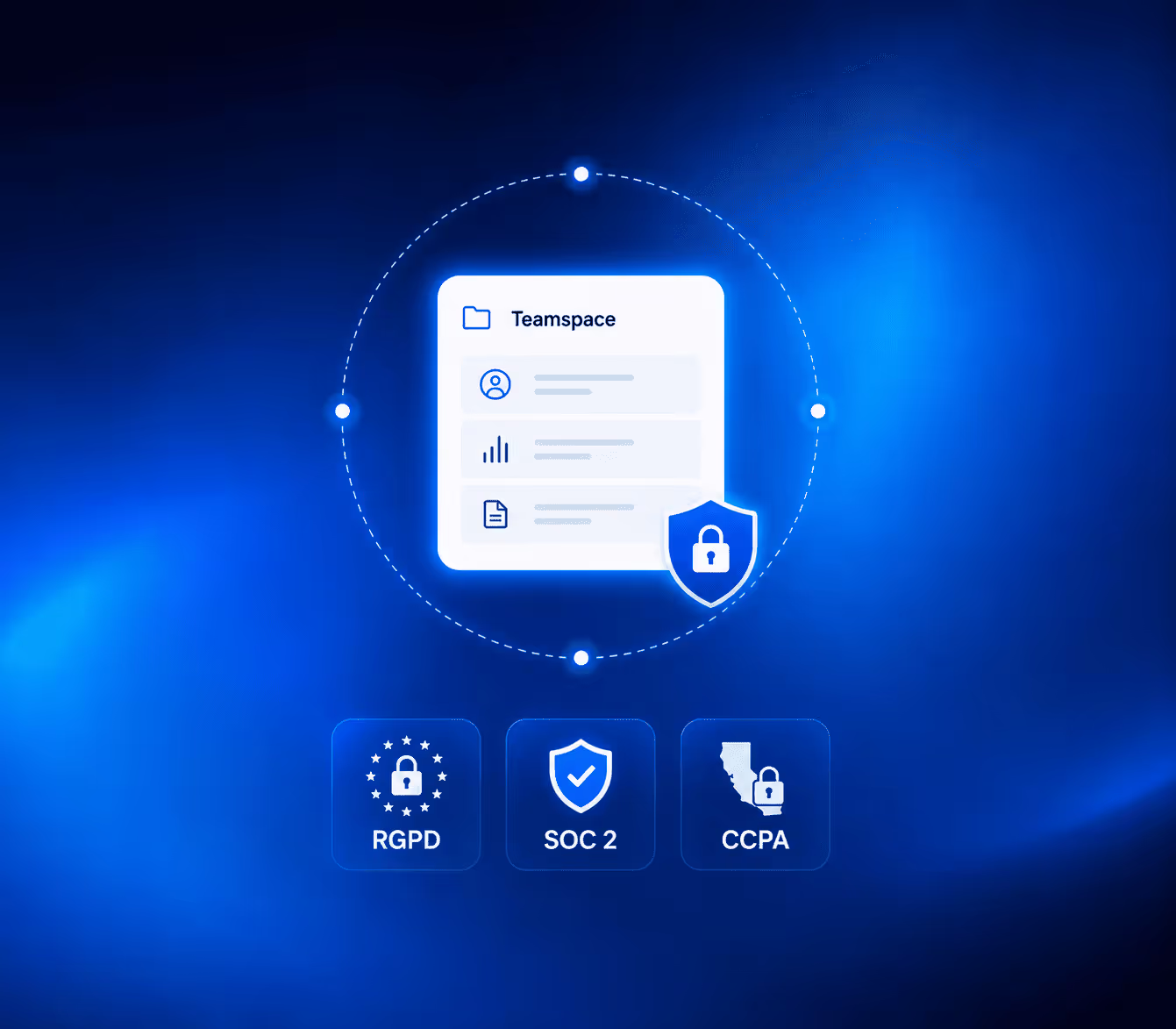
- Conformità alle normative: OpenAI supporta la conformità a leggi come il GDPR e il CCPA e fornisce un Addendum sul trattamento dei dati (DPA) per i clienti.
- Condivisione limitataOpenAI dichiara di non vendere i dati degli utenti a terze parti.
- Controlli di accesso interniSolo il personale autorizzato deve poter accedere ai dati sensibili, nel rispetto di protocolli di revisione e controllo.
Diritti degli utenti e trasparenza
OpenAI include alcuni meccanismi per offrire agli utenti un maggiore controllo sui propri dati:
- Impostazioni della privacyÈ possibile disabilitare l'utilizzo dei dati per l'addestramento nelle impostazioni (per i piani supportati).
- Richieste di eliminazione dei datiÈ possibile richiedere a OpenAI di eliminare i dati del proprio account o la cronologia, nel rispetto delle norme di conservazione e degli obblighi legali.
- TrasparenzaOpenAI si impegna a garantire trasparenza sull'utilizzo delle informazioni e sugli aggiornamenti della policy nel corso del tempo.
Utilizzare ChatGPT è davvero sicuro per i tuoi dati?

Esistono rischi concreti di cui è necessario essere consapevoli, specialmente se si gestiscono lavori per clienti, contenuti proprietari o informazioni sensibili.
2.1 Esposizione dei dati durante il transito e l'archiviazione
Quando invii prompt e ricevi risposte, i dati viaggiano attraverso le reti. Se la crittografia o l'infrastruttura non sono configurate correttamente, esiste la possibilità di intercettazioni o fughe di notizie. In alcune analisi, sono state segnalate vulnerabilità nei percorsi di trasmissione o configurazioni errate dell'infrastruttura.
Anche una volta che i dati raggiungono i server di OpenAI, vengono archiviati (almeno temporaneamente) per supportare il servizio, la conformità e il monitoraggio di eventuali abusi.
2.2 Fughe di notizie o memorizzazione di informazioni sensibili
Poiché ChatGPT conserva i log di prompt e risposte, esiste il rischio teorico che possa riprodurre o dedurre frammenti di dati provenienti da sessioni precedenti. Ciò può accadere soprattutto quando i prompt sono molto simili o quando il modello viene addestrato su una mole di dati più ampia.
Alcuni studi mettono in guardia contro le tecniche di "leakage della privacy", in cui prompt creati ad arte inducono il modello a rivelare informazioni che ha appreso.
2.3 Lacune nelle policy e nell'applicazione
Le policy di OpenAI consentono agli utenti di scegliere di non far utilizzare i log di prompt/risposta per l'addestramento (per molti piani), ma ciò non impedisce sempre l'accesso interno, la conservazione dei log per il monitoraggio degli abusi o gli obblighi legali.
Inoltre, sono emersi casi reali: ad esempio, in Italia l'autorità garante per la protezione dei dati ha sollevato dubbi sul fatto che ChatGPT possa violare il GDPR nel trattamento dei dati degli utenti.
Quindi, quanto è sicuro nella pratica?
Il rischio di ChatGPT è gestibile in questi casi:
- Contenuti pubblici o non riservati. Bozze di marketing, idee generiche e informazioni pubbliche presentano un rischio basso.
Ma quando si gestiscono dati aziendali o personali sensibili, è meglio essere prudenti!
Come utilizzare ChatGPT proteggendo i propri dati
Non è necessario smettere di usare ChatGPT se la privacy è una preoccupazione, basta usarlo in modo più consapevole.
3.1 Tratta ChatGPT come un canale semi-pubblico
La regola più semplice ed efficace: non inserire nulla che non vorresti vedere di dominio pubblico. Evita di inserire dati personali sensibili, dati finanziari dei clienti, documenti di strategia interna o codice proprietario. Come suggerisce un sito di consulenza: "Non dare a ChatGPT più informazioni di quelle strettamente necessarie".
Anche oscurare nomi o mascherare identificativi è utile. Sostituisci nomi reali, numeri o codici di progetto con segnaposto o pseudonimi prima di incollarli in un prompt.
3.2 Utilizza i controlli e le impostazioni della privacy in ChatGPT
OpenAI fornisce strumenti per limitare l'utilizzo e la conservazione dei dati. Usali.
- Disabilita l'addestramento del modello per le tue chat: nei piani ChatGPT Free e Plus, puoi disattivare l'opzione “Migliora il modello per tutti” in Impostazioni → Controlli dati. Ciò impedisce che le tue conversazioni vengano utilizzate per l'addestramento generale del modello.
- Usa la modalità “Chat temporanea”. Quando è attiva, la tua conversazione non viene salvata nella cronologia chat né utilizzata per l'addestramento.
- Richiedi l'eliminazione. Puoi chiedere a OpenAI di eliminare i dati del tuo account o richiedere la cancellazione di specifiche conversazioni, in conformità con le norme vigenti.
Anche con queste impostazioni, tieni presente che in molti casi OpenAI conserva le conversazioni per finalità di controllo contro gli abusi o per obblighi di legge.
3.3 Utilizza un contesto minimo e sanificato
Spesso forniamo a ChatGPT grandi quantità di dati (documenti interi, memo interni) pensando che sia utile. Ma questo aumenta l'esposizione.
- Invia solo ciò che è necessario, distillato fino al nucleo del problema.
- Rimuovi o generalizza riferimenti interni, nomi o identificativi univoci.
- Suddividi gli input di grandi dimensioni. Spezza un prompt complesso in più parti, sanifica ciascun frammento e combina solo le parti non sensibili.
- Evita contesti multi-turno che ricreano collegamenti nascosti. Se i turni precedenti includono note sensibili, oscurarle in seguito potrebbe non impedire il collegamento tra le informazioni.
Questa pratica si basa sul principio di minimizzazione dei dati: condividi solo ciò di cui il modello ha effettivamente bisogno.
AI sicura e sovrana: Noota

Noota offre un modello per integrare funzionalità generative con un'infrastruttura conforme e incentrata sulla privacy.
- Residenza dei dati e infrastruttura europea : Noota ospita i propri servizi in data center dell'UE (Francia, Belgio, Paesi Bassi) e garantisce l'isolamento tra gli ambienti (sviluppo / test / produzione). In questo modo i tuoi dati rimangono all'interno di giurisdizioni conformi al GDPR.
- Crittografia e controlli di accesso : Tutti i dati — registrazioni, trascrizioni, metadati — sono crittografati sia in transito (TLS) che a riposo (AES). L'accesso ai dati è rigorosamente controllato tramite permessi basati sui ruoli e protocolli di accesso verificati.
- Nessun utilizzo dei tuoi dati per l'addestramento dei modelli : A differenza di molti strumenti di IA che acquisiscono i dati degli utenti per addestrare o perfezionare i modelli, Noota dichiara chiaramente che non utilizza i tuoi dati per addestrare modelli di IA generalizzati. I tuoi dati rimangono sotto il tuo controllo.
- Configurazione self-hosted : per le aziende, è possibile richiedere configurazioni on-premise
- Controlli granulari e modalità di privacy : Noota supporta configurazioni come la modalità "solo testo" (nessun audio/video archiviato) e ti consente di personalizzare i piani di conservazione (da giorni ad anni, in base al contratto) a seconda delle tue esigenze di riservatezza.
Vuoi utilizzare un'IA sicura per la privacy? Prova Noota gratuitamente ora.
Chi è l'autore

Jean-marc is an AI expert helping recruiters & professionnals leverage these tools in the everyday.
FAQ
OpenAI registra prompt, risposte e metadati per operare il servizio, migliorare i modelli e rilevare abusi. I dati vengono crittografati e conservati secondo le normative legali.
- Registrazione prompt e risposte
- Crittografia in transito e a riposo
- Conformità GDPR e CCPA
Sì, puoi richiedere l'eliminazione dell'account e della cronologia chat tramite le impostazioni di privacy, ma alcuni dati potrebbero restare per motivi legali.
- Richiesta eliminazione dati disponibile
- Periodo di grazia per conservazione
- Eccezioni per ordini legali
Noota protegge i tuoi dati con crittografia enterprise, zero tracciamento esterno e conformità GDPR completa. A differenza di ChatGPT, Noota non usa i tuoi dati per addestrare modelli IA.
- Noota: zero utilizzo dati per training
- Crittografia enterprise-grade garantita
- Conformità GDPR certificata e verificata
Noota è la scelta migliore: registra, trascrive e riassume riunioni in 80+ lingue senza esporre dati sensibili. Risparmia 6,4h/settimana di admin con privacy garantita. Prova Noota gratis — nessuna carta di credito richiesta.
- Trascrizione sicura riunioni aziendali
- Risparmio 6,4 ore settimanali admin
- Valutazione 4,9/5 da 5000+ team