


Management
8 min di lettura
Note infermieristiche: guida con modello
Vuoi sapere come dovrebbe essere una buona nota infermieristica? Ecco la tua guida.
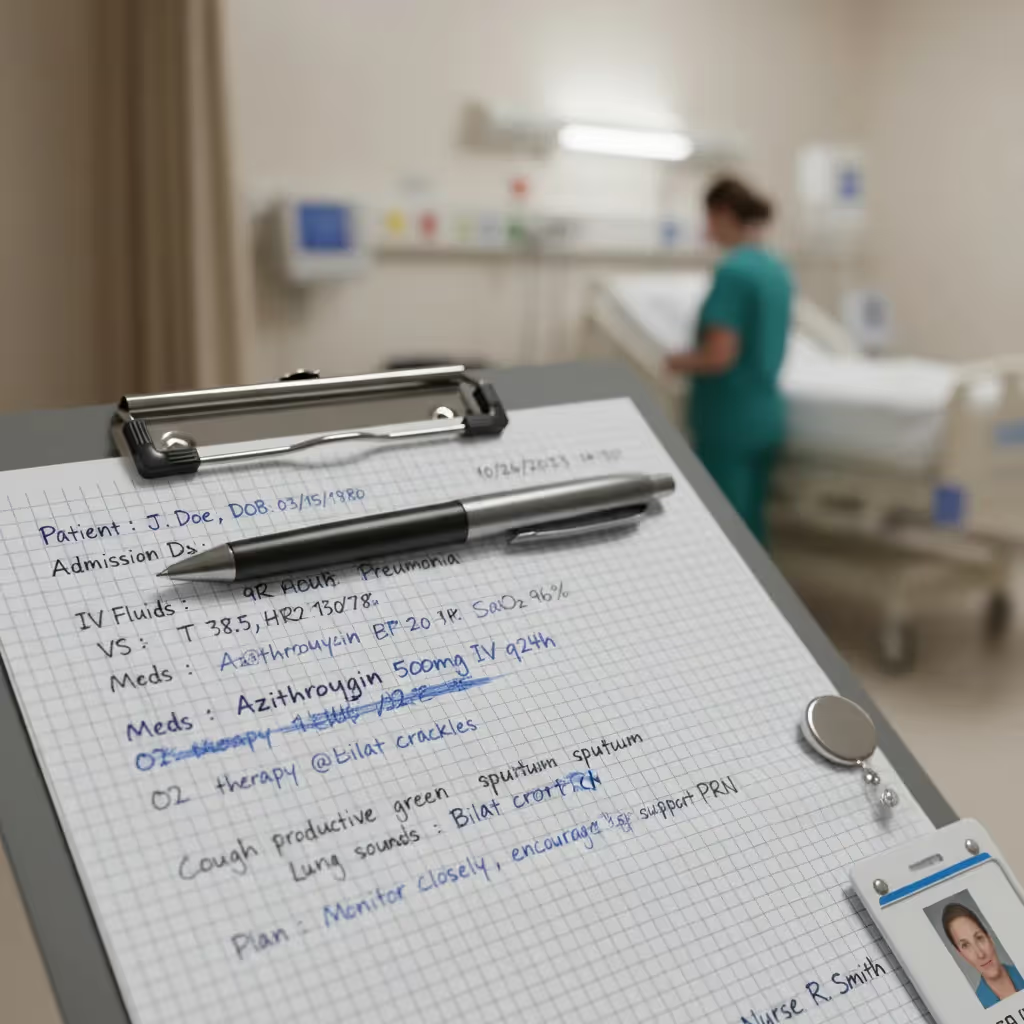
Hai appena controllato i parametri vitali, aggiornato le cartelle, rassicurato un paziente e somministrato i farmaci, ma prima di andare via c'è ancora un'attività che ti aspetta: le tue note infermieristiche.
Se fatte bene, ti semplificano il lavoro invece di complicarlo.
In questo articolo imparerai tutto ciò che serve per scrivere note infermieristiche chiare e professionali.
Cosa sono le note infermieristiche e perché dovresti sempre compilarle
Le note infermieristiche sono registrazioni narrative che documentano le attività svolte dall'infermiere, le osservazioni effettuate, le reazioni dei pazienti e i follow-up necessari. Queste note fanno parte della cartella clinica o della documentazione del paziente, ma si concentrano specificamente sull'episodio di assistenza infermieristica e sul processo di cura: valutazione, intervento e valutazione dei risultati.
1. Continuità assistenziale e comunicazione
I pazienti possono essere seguiti da infermieri, turni o team di assistenza diversi. Note infermieristiche chiare forniscono al collega che subentra informazioni su quanto accaduto, sulla risposta del paziente e su cosa monitorare. La documentazione supporta il passaggio di consegne e garantisce transizioni di cura senza interruzioni.
2. Obblighi legali, professionali e normativi
Le tue note infermieristiche sono parte integrante della documentazione clinica legale. Attestano quali cure sono state erogate, quando e da chi, un aspetto essenziale per audit, revisioni di responsabilità e accreditamenti. Di fatto, errori o omissioni nella documentazione sono spesso correlati a richieste di risarcimento.
3. Monitoraggio dei cambiamenti e sicurezza del paziente
Le note infermieristiche registrano i cambiamenti nelle condizioni del paziente, le risposte ai trattamenti, i parametri vitali e gli incidenti. Una buona documentazione aiuta a identificare precocemente un eventuale peggioramento e supporta decisioni sicure basate su evidenze scientifiche.
4. Supporto al miglioramento della qualità e alla pianificazione dell'assistenza
Note ben scritte alimentano i piani di assistenza, gli audit, la ricerca e il miglioramento della qualità istituzionale. Offrono una visione chiara di ciò che funziona, di ciò che non funziona e di come l'assistenza debba evolversi.
5. Tutela professionale
Per te, in quanto infermiere, note complete e chiare difendono il tuo ruolo professionale: dimostrano la tua valutazione, i tuoi interventi e il tuo giudizio clinico. Una documentazione carente non solo può creare disagi al team, ma può anche mettere a rischio la tua licenza o la tua responsabilità professionale.
Struttura ed esempio di note infermieristiche
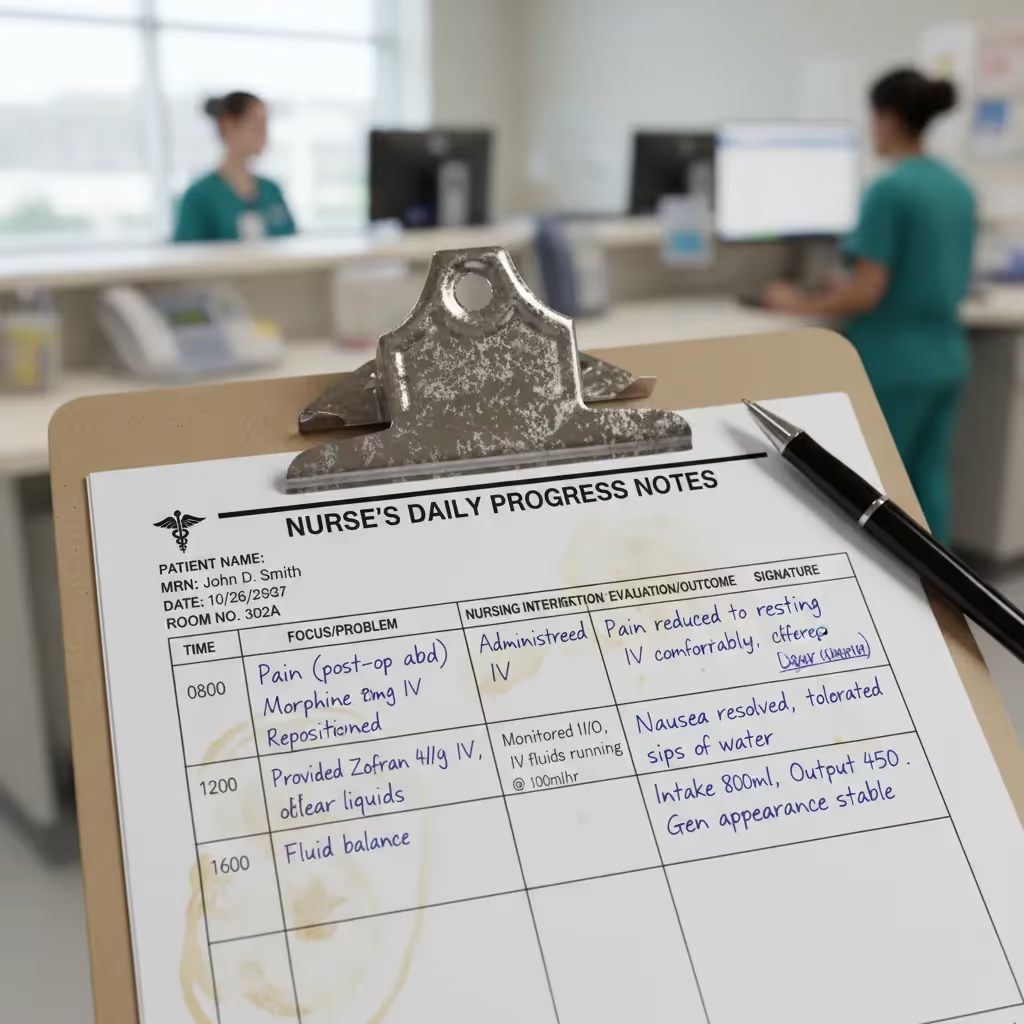
Ogni nota che scrivi dovrebbe includere almeno questi elementi essenziali:
- Data e ora, nome e ID del paziente, nome e credenziali dell'infermiere. Senza questi dati, la nota manca di un'identificazione adeguata.
- Dati soggettivi – ciò che riferisce il paziente (ad es. "Sento dolore al petto", "Non riesco a dormire"). Se riporti le parole esatte del paziente, usa le virgolette.
- Dati oggettivi – la tua valutazione, i parametri vitali, i riscontri osservabili (ad es. PA 140/90, FR 22, dimensioni ferita 4×6 cm).
- Valutazione/Analisi – la tua interpretazione professionale: qual è il problema, quali cambiamenti hai notato, il tuo giudizio clinico.
- Intervento/Azione – cosa hai fatto: farmaci somministrati, medicazione della ferita, invio a consulenza, educazione del paziente.
- Risposta/Valutazione – come ha reagito il paziente: il dolore è diminuito, le condizioni sono cambiate, ci sono state complicazioni?
- Piano/Prossimi passi – cosa farai tu (o l'équipe) in seguito: monitoraggio, follow-up, adeguamento del piano, invio a specialisti.
Molte strutture utilizzano formati standard come SOAP (Subjective, Objective, Assessment, Plan) o DAR (Data, Action, Response) per mantenere coerenza e chiarezza.
Esempio efficace:
26/10/2025 14:30 | Paziente: Sig. Brown (ID A1234) | Infermiere: J. Smith RN
Soggettivo: “Ho il petto stretto e faccio più fatica a respirare rispetto a stamattina.”
Oggettivo: PA 150/92, FC 98, FR 24, SpO₂ 92% in aria ambiente. Auscultazione polmonare: sibili bilaterali, lieve utilizzo dei muscoli accessori. Nessun nuovo edema.
Valutazione: Sospetta riacutizzazione di BPCO, probabilmente scatenata dall'esposizione alla polvere di ieri.
Intervento: Somministrato salbutamolo tramite nebulizzatore, 2 dosi come da protocollo. Istruito il paziente sulla tecnica di utilizzo dell'inalatore e sui fattori scatenanti ambientali. Informato il medico e richiesto emogasanalisi (EGA).
Risposta: Dopo il secondo nebulizzatore, la SpO₂ è salita al 95%, FR 20, il paziente riferisce “meno senso di costrizione”.
Piano: Continuare il monitoraggio respiratorio orario, somministrare il nebulizzatore ogni 4 ore al bisogno, valutare i risultati dell'EGA, avvisare il team di pneumologia in caso di mancato miglioramento entro il turno serale.
Esempio debole:
26/10 ore 14:30 Il Sig. Brown ha ancora difficoltà respiratorie. Somministrato nebulizzatore. Monitorerò la situazione.
Modello di note infermieristiche
Ecco un modello pronto all'uso che puoi copiare, incollare e personalizzare per il tuo contesto (reparto ospedaliero, clinica, assistenza domiciliare o lungodegenza). Usalo nel tuo sistema di cartella clinica elettronica (EMR), in un documento Word, Google Doc o nel sistema che preferisci, adattando poi i campi agli standard della tua struttura.
Nota infermieristica
Data: _________ Ora: _________
Nome paziente: _________ ID paziente/Stanza: _________
Nome e qualifiche dell'infermiere/a: _________ Reparto/Area: _________
Soggettivo (S):
Il paziente riferisce: “_____________________________________________”
Commenti aggiuntivi: _______________________________________
Contributo di familiari/caregiver: ___________________________________
Oggettivo (O):
Parametri vitali: PA _____ / FC _____ / FR _____ / SpO₂ _____% / Temp _____°C
Valutazione fisica: _______________________________________
Esami di laboratorio/diagnostica per immagini rilevanti: _____________________________________
Farmaci somministrati: _________________________________
Altri dati oggettivi: _____________________________________
Valutazione (A):
Analisi/giudizio clinico dell'infermiere/a: ___________________________
Diagnosi infermieristica o problema principale: _________________________
Intervento (I):
Azioni intraprese durante questo turno/visita:
Istruzione o supporto al paziente/caregiver: ______________________
Collaborazioni/referral: __________________________________
Valutazione (V):
Risposta del paziente all'intervento: __________________________
Stato modificato / nuovi riscontri: ______________________________
In caso di mancata risposta o risposta avversa: _________________________
Piano (P):
Prossimi passi per il team infermieristico e di assistenza: _______________________
Monitoraggio richiesto (parametri, frequenza): _____________
Dettagli follow-up/referral: _________________________________
Firma: ___________ Infermiere/a Ora: _______
Note infermieristiche automatizzate: Noota

E se invece potessi automatizzare gran parte della documentazione, concentrarti sulla persona che hai davanti e ottenere comunque note all'altezza dei tuoi standard? Noota è uno strumento creato esattamente con questo obiettivo.
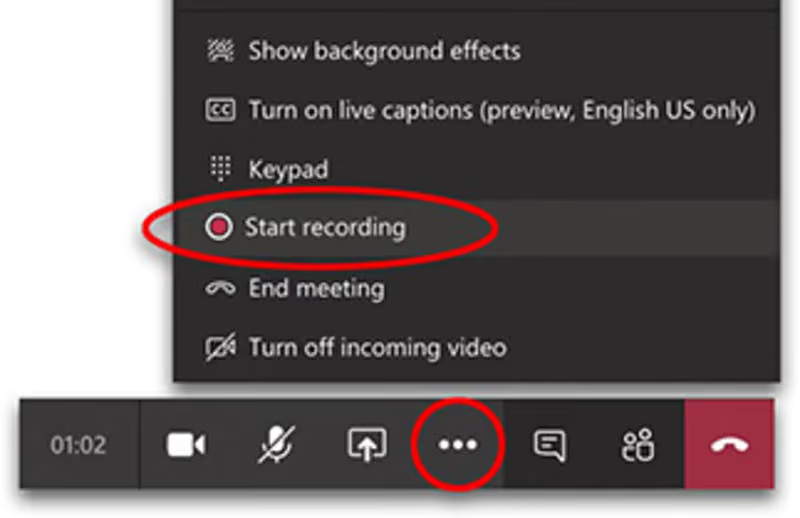
- Registra le interazioni, che si tratti di videochiamate o incontri di persona, e trascrive l'audio in tempo reale.
- Genera automaticamente riepiloghi strutturati di tali interazioni (decisioni, passaggi successivi, risposte dei pazienti, osservazioni chiave) per non dover partire da zero.
- Rende le tue note ricercabili e archiviabili. Non ti limiti a produrre testo, ma costruisci un archivio che tu (o il tuo team) potete consultare.
- Si integra nel tuo flusso di lavoro: puoi collegare l'output alla tua cartella clinica elettronica (EHR), al sistema di pianificazione dell'assistenza o al processo di passaggio di consegne del team.
VUOI AUTOMATIZZARE LA PRESA DI NOTE REGISTRANDO LE TUE CONVERSAZIONI? PROVA NOOTA GRATUITAMENTE ORA.
FAQ
Una nota infermieristica completa include: data, ora, dati anagrafici paziente, dati soggettivi (parole del paziente), dati oggettivi (vitali e osservazioni), valutazione clinica, interventi eseguiti, risposta del paziente e piano successivo.
- Data, ora e identificazione paziente
- Dati soggettivi e oggettivi dettagliati
- Valutazione clinica e interventi
- Risposta del paziente e follow-up
Le note infermieristiche garantiscono che ogni infermiere, turno o team conosca la storia clinica completa del paziente, facilitando transizioni di cura sicure e comunicazione efficace tra professionisti sanitari.
- Informano il prossimo infermiere su cosa è accaduto
- Documentano risposta del paziente ai trattamenti
- Evidenziano cosa monitorare nei turni successivi
- Prevengono errori e duplicazioni di interventi
Noota automatizza fino all'80% delle attività amministrative e risparmia 6,4 ore settimanali, permettendo agli infermieri di concentrarsi sulla cura del paziente invece che sulla documentazione manuale. Con 5000+ team e rating 4,9/5 su G2, Noota è la soluzione più affidabile.
- Riduce admin dell'80% con automazione intelligente
- Risparmia 6,4 ore settimanali per infermiere
- Supporta 80+ lingue per team globali
- Valutato 4,9/5 da migliaia di professionisti
Noota è la soluzione ideale: automatizza la documentazione, riduce l'80% del lavoro amministrativo e risparmia 6,4 ore settimanali. Prova gratis senza carta di credito e scopri come 5000+ team migliorano l'efficienza.
- Automazione completa delle note cliniche
- Integrazione con sistemi ospedalieri esistenti
- Template personalizzabili per ogni reparto
- Prova Noota gratis — nessuna carta di credito richiesta