


Verwaltung
8 Min. Lesezeit
Pflegenotizen: Ein Leitfaden mit Vorlage
Sie möchten wissen, wie gute Pflegenotizen aussehen? Hier ist Ihr Leitfaden.
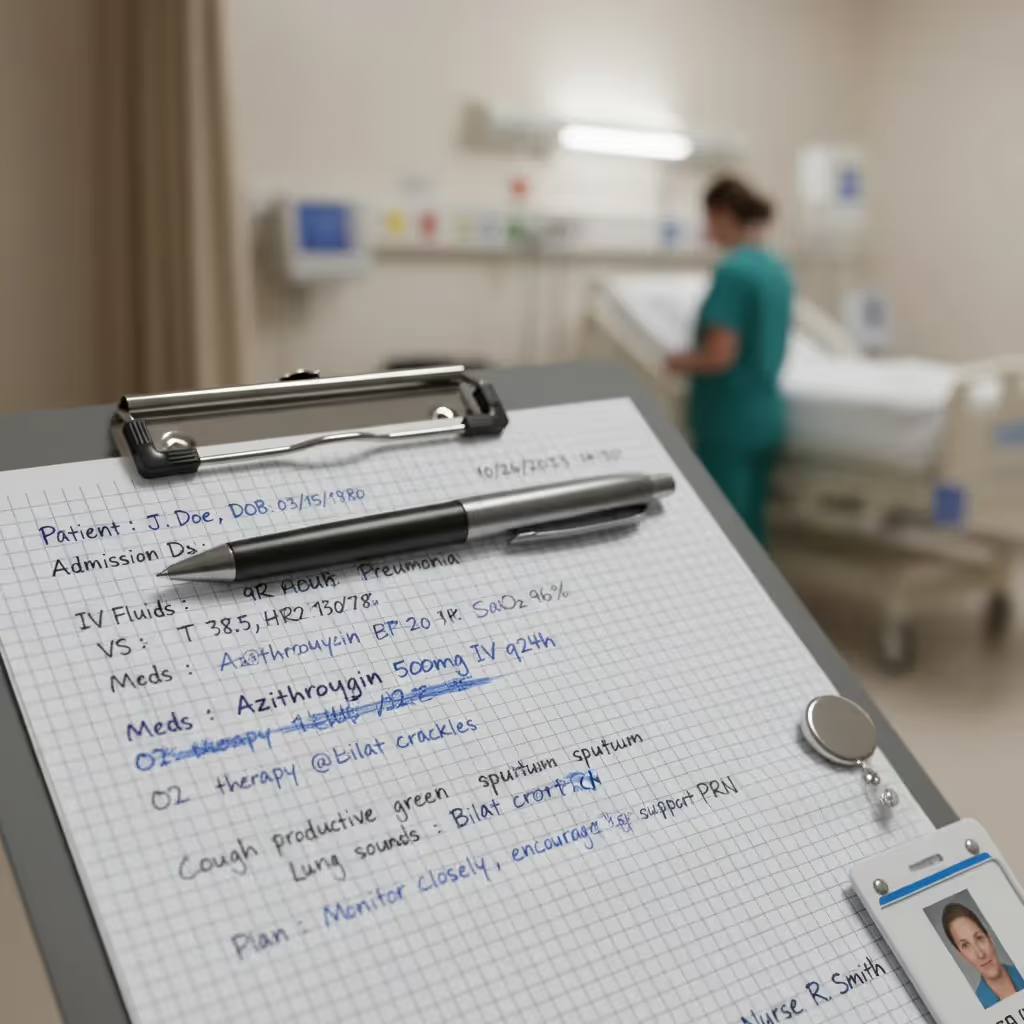
Sie haben gerade die Vitalwerte geprüft, die Patientenakte aktualisiert, einen Patienten getröstet und Medikamente verabreicht – doch bevor Sie gehen können, wartet noch eine Aufgabe: Ihre Pflegedokumentation.
Richtig gemacht, erleichtern sie Ihre Arbeit, anstatt sie zu erschweren.
In diesem Artikel erfahren Sie alles, was Sie für das Verfassen klarer und professioneller Pflegeberichte benötigen.
Was ist eine Pflegedokumentation und warum sie unverzichtbar ist
Pflegeberichte sind narrative Einträge, die festhalten, was Pflegekräfte tun, was sie beobachten, wie Patienten reagieren und welche Folgemaßnahmen erforderlich sind. Diese Notizen sind Teil der umfassenderen Patientenakte, konzentrieren sich jedoch spezifisch auf den Pflegeprozess: Einschätzung, Intervention und Evaluation.
1. Kontinuität der Versorgung & Kommunikation
Patienten werden oft von verschiedenen Pflegekräften, Schichten oder Teams betreut. Eine klare Pflegedokumentation informiert die nächste Schicht darüber, was geschehen ist, wie der Patient reagiert hat und worauf zu achten ist. Die Dokumentation unterstützt die Übergabe und sorgt für nahtlose Versorgungsübergänge.
2. Rechtliche, berufliche & regulatorische Verpflichtungen
Ihre Pflegeberichte sind Teil der rechtlich bindenden Patientenakte. Sie belegen, welche Pflege wann und von wem erbracht wurde – was für Audits, Haftungsfragen und Akkreditierungen unerlässlich ist. Tatsächlich stehen Dokumentationsfehler oder -lücken oft im Zusammenhang mit Haftungsansprüchen.
3. Überwachung von Veränderungen & Gewährleistung der Patientensicherheit
Pflegeberichte erfassen Veränderungen im Zustand des Patienten, Reaktionen auf Behandlungen, Vitalwerte und besondere Vorkommnisse. Eine gute Dokumentation hilft dabei, eine Verschlechterung früher zu erkennen und unterstützt sichere, evidenzbasierte Entscheidungen.
4. Unterstützung der Qualitätsverbesserung & Pflegeplanung
Gut geschriebene Berichte fließen in Pflegepläne, Audits, Forschung und die institutionelle Qualitätsentwicklung ein. Sie geben Aufschluss darüber, was funktioniert, was nicht und wie die Pflege angepasst werden muss.
5. Ihr beruflicher Schutz
Für Sie als Pflegekraft sind umfassende, klare Berichte ein Schutz Ihrer beruflichen Rolle: Sie belegen Ihre Einschätzung, Ihre Maßnahmen und Ihr fachliches Urteilsvermögen. Eine mangelhafte Dokumentation kann nicht nur das Team behindern, sondern auch Ihre Zulassung oder Haftung gefährden.
Struktur & Beispiel für Pflegeberichte
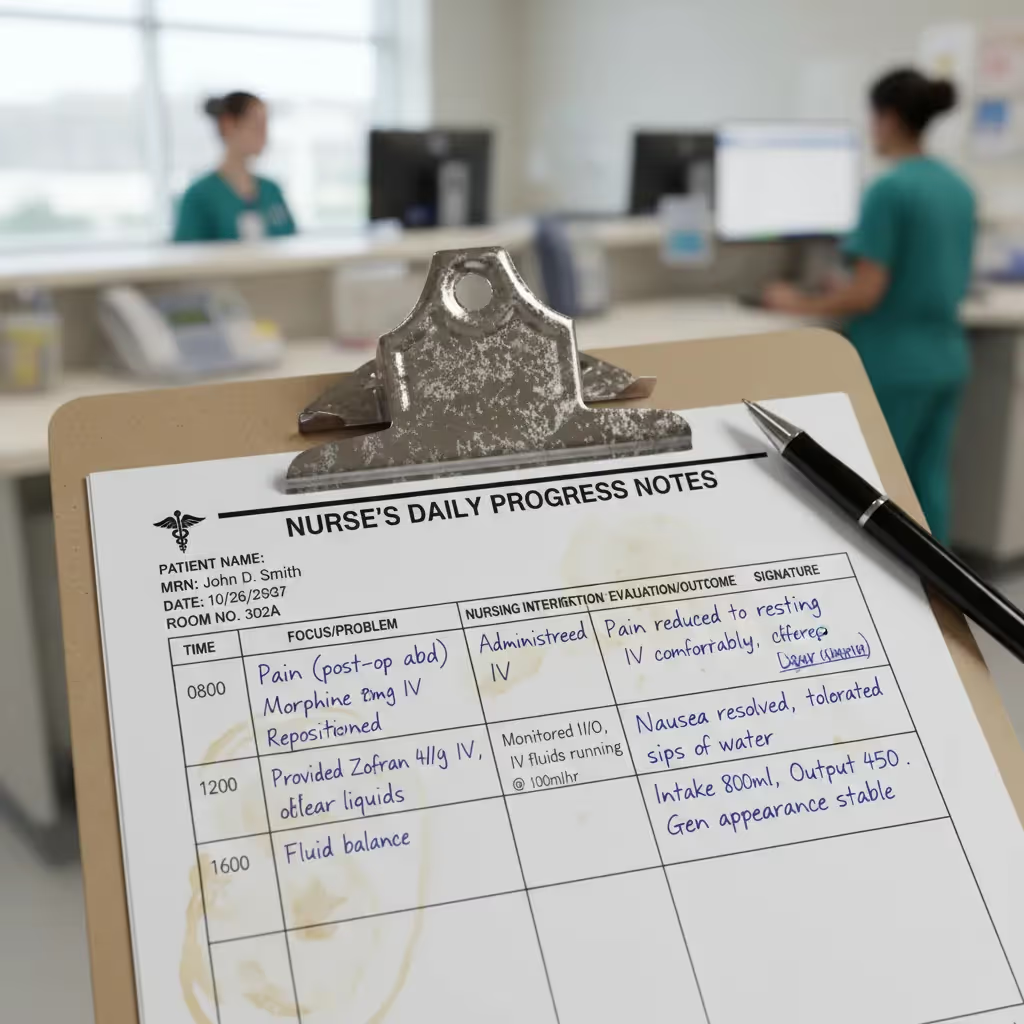
Jeder Bericht, den Sie verfassen, sollte mindestens diese wesentlichen Elemente enthalten:
- Datum und Uhrzeit, Name und ID des Patienten, Name und Qualifikation der Pflegekraft. Ohne diese Angaben ist die Notiz nicht eindeutig zuzuordnen.
- Subjektive Daten – was der Patient äußert (z. B. „Ich habe Brustschmerzen“, „Ich kann nicht schlafen“). Wenn Sie die eigenen Worte des Patienten protokollieren, setzen Sie diese in Anführungszeichen.
- Objektive Daten – Ihre Einschätzung, Vitalwerte, beobachtbare Befunde (z. B. Blutdruck 140/90, Atemfrequenz 22, Wundgröße 4×6 cm).
- Beurteilung/Analyse – Ihre fachliche Interpretation: worum es geht, bemerkte Veränderungen, klinische Einschätzung.
- Intervention/Maßnahme – was Sie getan haben: verabreichte Medikamente, Wundversorgung, Überweisung, Patientenaufklärung.
- Reaktion/Evaluation – wie der Patient reagiert hat: ließen die Schmerzen nach, hat sich der Zustand verändert, gab es Komplikationen?
- Plan/Nächste Schritte – was Sie (oder das Team) als Nächstes tun: Überwachung, Nachsorge, Anpassung des Plans, Überweisung.
Viele Einrichtungen nutzen Standardformate wie SOAP (Subjective, Objective, Assessment, Plan) oder DAR (Data, Action, Response), um Konsistenz und Klarheit zu gewährleisten.
Gutes Beispiel:
26.10.2025 14:30 | Patient: Herr Brown (ID A1234) | Pflegekraft: J. Smith (examinierte Pflegekraft)
Subjektiv: „Meine Brust fühlt sich eng an und das Atmen fällt mir schwerer als heute Morgen.“
Objektiv: RR 150/92, HF 98, AF 24, SpO₂ 92 % Raumluft. Auskultation der Lunge: beidseitiges Giemen, leichte Nutzung der Atemhilfsmuskulatur. Keine neuen Ödeme.
Beurteilung: Verdacht auf COPD-Exazerbation, wahrscheinlich ausgelöst durch die Staubexposition gestern.
Maßnahmen: Gabe von 2 Dosen Salbutamol-Inhalation gemäß Protokoll. Patient in Inhalationstechnik und zu Umweltfaktoren geschult. Arzt informiert und arterielle Blutgasanalyse (BGA) angefordert.
Reaktion: Nach der zweiten Inhalation Anstieg der SpO₂ auf 95 %, AF 20, Patient berichtet von „weniger Engegefühl“.
Plan: Stündliche Überwachung der Vitalparameter, Inhalation alle 4 Stunden bei Bedarf, BGA-Ergebnisse prüfen, bei ausbleibender Besserung bis zur Abendschicht das Atemwegsteam verständigen.
Schlechtes Beispiel:
26.10. 14:30 Uhr Herr Brown hat weiterhin Atembeschwerden. Inhalation verabreicht. Werde den Zustand weiter beobachten.
Vorlage für Pflegeberichte
Hier ist eine sofort einsatzbereite Vorlage, die Sie kopieren, einfügen und anpassen können für Ihren Arbeitsbereich (Krankenhausstation, Praxis, häusliche Pflege oder Langzeitpflege). Nutzen Sie diese in Ihrer elektronischen Patientenakte, in Word, Google Docs oder Ihrem bevorzugten System – und passen Sie die Felder an die Standards Ihrer Einrichtung an.
Pflegebericht
Datum: _________ Uhrzeit: _________
Name des Patienten: _________ Patienten-ID/Zimmer: _________
Name der Pflegekraft & Qualifikation: _________ Station/Bereich: _________
Subjektiv (S):
Patient berichtet: „_____________________________________________“
Zusätzliche Anmerkungen: _______________________________________
Angaben von Angehörigen/Betreuern: ___________________________________
Objektiv (O):
Vitalparameter: RR _____ / HF _____ / AF _____ / SpO₂ _____% / Temp _____°C
Körperliche Untersuchung: _______________________________________
Relevante Laborwerte/Bildgebung: _____________________________________
Verabreichte Medikamente: _________________________________
Weitere objektive Daten: _____________________________________
Beurteilung (A):
Analyse/klinische Einschätzung der Pflegekraft: ___________________________
Pflegediagnose oder Hauptproblem: _________________________
Intervention (I):
Während dieser Schicht/dieses Besuchs durchgeführte Maßnahmen:
Anleitung oder Unterstützung für Patient/Pflegeperson: ______________________
Zusammenarbeit/Überweisungen: __________________________________
Evaluation (E):
Reaktion des Patienten auf die Intervention: __________________________
Statusänderung / neue Befunde: ______________________________
Bei ausbleibender oder unerwünschter Reaktion: _________________________
Plan (P):
Nächste Schritte für das Pflege- und Betreuungsteam: _______________________
Erforderliche Überwachung (welcher Parameter, Häufigkeit): _____________
Details zu Nachsorge/Überweisung: _________________________________
Unterschrift: ___________ Pflegefachkraft Uhrzeit: _______
Automatisierte Pflegedokumentation: Noota

Was wäre, wenn Sie stattdessen automatisieren könnten, einen Großteil dieser Dokumentation zu erledigen, sich auf den Menschen vor Ihnen zu konzentrieren und dennoch Notizen zu erhalten, die Ihren Standards entsprechen? Noota ist ein Tool, das genau mit diesem Ziel entwickelt wurde.
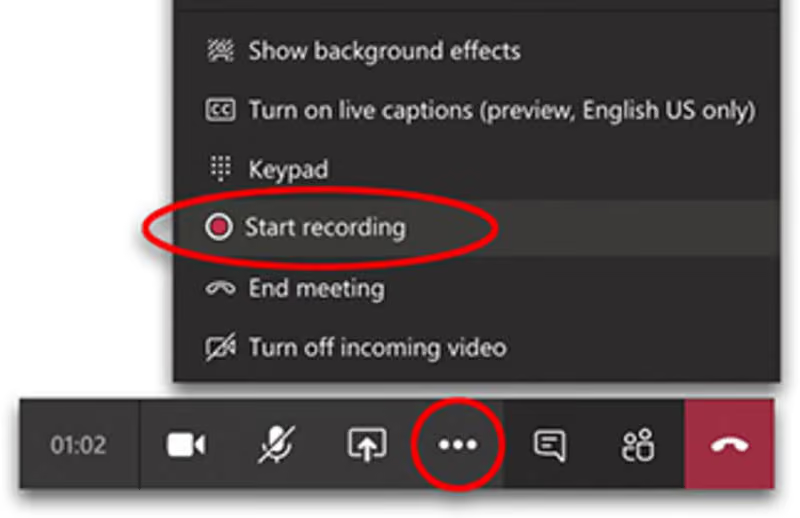
- Zeichnet Interaktionen auf, egal ob per Videoanruf oder persönlichem Treffen, und transkribiert das Audio in Echtzeit.
- Erstellt automatisch strukturierte Zusammenfassungen dieser Interaktionen – Entscheidungen, nächste Schritte, Patientenreaktionen, wichtige Beobachtungen –, damit Sie nicht bei null anfangen müssen.
- Macht Ihre Notizen durchsuchbar und archivierbar. Sie erstellen nicht nur Text, sondern bauen ein Archiv auf, das Sie (oder Ihr Team) jederzeit abfragen können.
- Integriert sich in Ihren Arbeitsablauf: Sie können die Ergebnisse mit Ihrer elektronischen Patientenakte, Ihrem Pflegeplanungssystem oder dem Übergabeprozess Ihres Teams verknüpfen.
MÖCHTEN SIE IHRE NOTIZEN DURCH DIE AUFNAHME IHRER GESPRÄCHE AUTOMATISIEREN? TESTEN SIE NOOTA JETZT KOSTENLOS.
FAQ
Pflegenotizen dokumentieren Beobachtungen, Interventionen und Patientenreaktionen systematisch.
- Datum, Uhrzeit, Patientenname und ID
- Subjektive und objektive Daten mit Vitalzeichen
- Klinische Bewertung und durchgeführte Maßnahmen
Dokumentation ist Teil der medizinischen Akte und schützt Sie beruflich und rechtlich.
- Nachweise für erbrachte Pflege und Fachkompetenz
- Schutz vor Haftungsansprüchen und Audits
- Basis für Akkreditierung und Qualitätssicherung
Noota spart 6,4 Stunden pro Woche und reduziert Admin um 80% durch intelligente Automatisierung.
- KI-gestützte Notizenerstellung statt manuelles Tippen
- 4,9/5 Bewertung von 5000+ Teams weltweit
- Unterstützung in 80+ Sprachen für globale Teams
Noota automatisiert Pflegenotizen und spart Zeit bei Dokumentation und Übergaben.
- Reduziert administrative Belastung erheblich
- Verbessert Kontinuität durch präzise Notizen
- Noota kostenlos testen – keine Kreditkarte erforderlich