


Ventas
8 min reading
¿Cuál es la diferencia entre datos e información?
Noota explica la diferencia clave entre datos e información. Descubre cómo transformar datos brutos en información valiosa para tu negocio.

Datos… Información… Parecen sinónimos, pero no lo son. Un dato puede ser información y viceversa, sin embargo, sus definiciones son bastante distintas. ¿Te hemos perdido? ¡Que no cunda el pánico, te lo explicamos todo!
I/ ¿Qué son los datos? 🤔
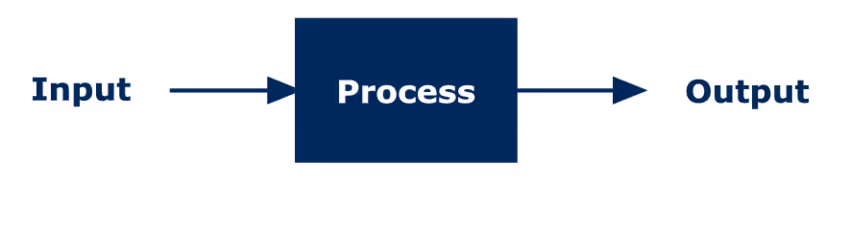
Los datos son hechos brutos y sin organizar, carentes de contexto. Pueden presentarse de diversas formas: números, texto, caracteres, declaraciones, etc. Para que tengan sentido, deben ser procesados por un humano o una máquina (echa un vistazo a nuestro artículo sobre aprendizaje automático). Por tanto, el proceso de transformación es necesario para dar valor a estos datos. Cuando los datos están en bruto, hablamos de "entrada", y tras el proceso de transformación (=análisis de los datos brutos) nace la información, también llamada "salida".
II/ ¿Qué es la información? 🔍
En consecuencia, la información es el dato procesado que tiene un significado. Está estructurada y presentada de forma útil. Por tanto, los datos se transforman en información para conservar solo lo necesario. Las características principales de la información son la precisión, la relevancia, la integridad y la disponibilidad. Puede comunicarse en forma de contenido de mensaje o mediante observación, y obtenerse de diversas maneras: en periódicos, televisión, Internet, a través de personas (boca a boca), libros, etc.
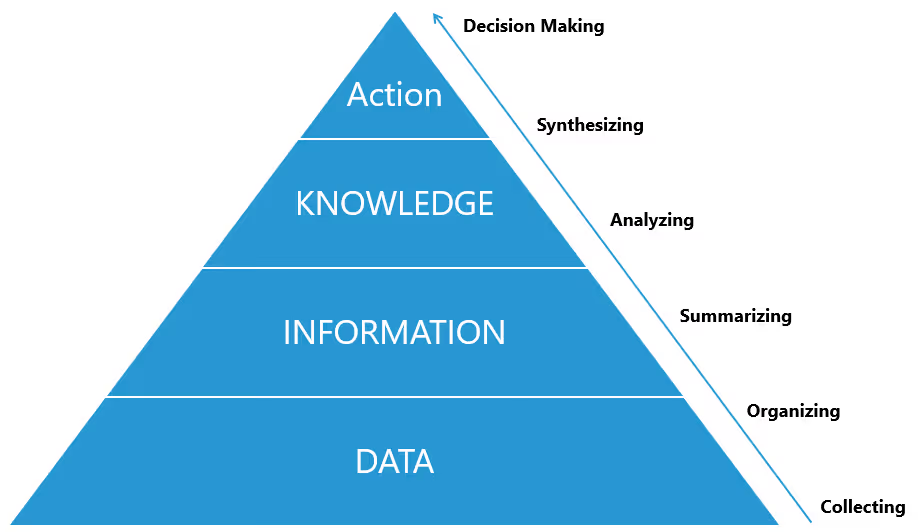
Para profundizar en nuestra reflexión, podemos decir que los datos procesados se convierten en información, la cual, si se asimila correctamente, se convierte a su vez en conocimiento (modelo DIKW).
Conclusión 💡
En Noota, damos mucha importancia a la protección y el respeto de sus datos.
¿Necesita transcribir una entrevista? ¿Tiene muchas reuniones a diario y no sabe cómo organizar toda esa información? ¿Es estudiante y tiene que realizar numerosas entrevistas para su tesis?
Tanto si trabaja en marketing, ventas, sanidad o cualquier otro sector → ¡pruebe Noota!
La prueba es gratuita ✨
Si tiene alguna pregunta, no dude en ponerse en contacto con nosotros; nuestro equipo estará encantado de ayudarle.
Meet the Writer
.avif)
Adesh explores how teams can better capture knowledge and collaborate more effectively with AI.
FAQ
Los datos son hechos brutos sin contexto, mientras que la información es datos procesados y estructurados con significado útil.
- Datos: hechos crudos sin organización ni contexto.
- Información: datos analizados y presentados de forma útil.
- La transformación convierte datos en información valiosa.
Procesar datos transforma hechos brutos en información significativa, permitiendo tomar decisiones informadas y estratégicas.
- Extrae valor de datos desorganizados y sin contexto.
- Crea información precisa, relevante y completa para usar.
- Facilita la comunicación clara de hallazgos importantes.
Noota transforma reuniones en información estructurada, ahorrando 6,4 horas semanales con -80% reducción administrativa versus competidores.
- Transcribe y organiza automáticamente 80+ idiomas en minutos.
- 5000+ equipos confían en Noota con calificación 4,9/5 en G2.
- Convierte datos de reuniones en información accionable al instante.
Noota es ideal para profesionales que necesitan convertir entrevistas en información estructurada sin esfuerzo manual adicional.
- Perfecta para estudiantes, marketing, ventas y healthcare profesionales.
- Ahorra tiempo transcribiendo automáticamente múltiples entrevistas diarias.
- Prueba Noota gratis sin tarjeta de crédito hoy mismo.