


Privacy dei Dati e Conformità
8 min di lettura
Updated on:
Oct 27, 2025
Recensione di Mistral: è valido?
I modelli di Mistral AI valgono davvero la pena? Ecco la tua guida.
OpenAI, Anthropic, Google, Meta… i colossi del settore si sfidano per lanciare il prossimo “modello di frontiera”. Ma, al di là del clamore, un attore europeo sta silenziosamente ridisegnando il panorama: Mistral AI.
Ma i modelli LLM e i chatbot di Mistral sono davvero utilizzabili?
In questo articolo, troverai una recensione chiara e pratica di Mistral AI e del suo ecosistema.
Quanto sono validi gli ultimi LLM di Mistral?
Mistral Medium 3.1 è il modello multimodale di frontiera di Mistral, rilasciato nell'agosto 2025. Si propone come un'intelligenza di livello enterprise a una frazione del costo dei grandi player tecnologici, offrendo una finestra di contesto di 131k token e il supporto per implementazioni ibride o on-premise.
Come si posiziona rispetto agli attuali modelli di frontiera come Gemini 2.5 Pro (Google), GPT-5 (OpenAI) e Claude Sonnet 4.5 (Anthropic)?
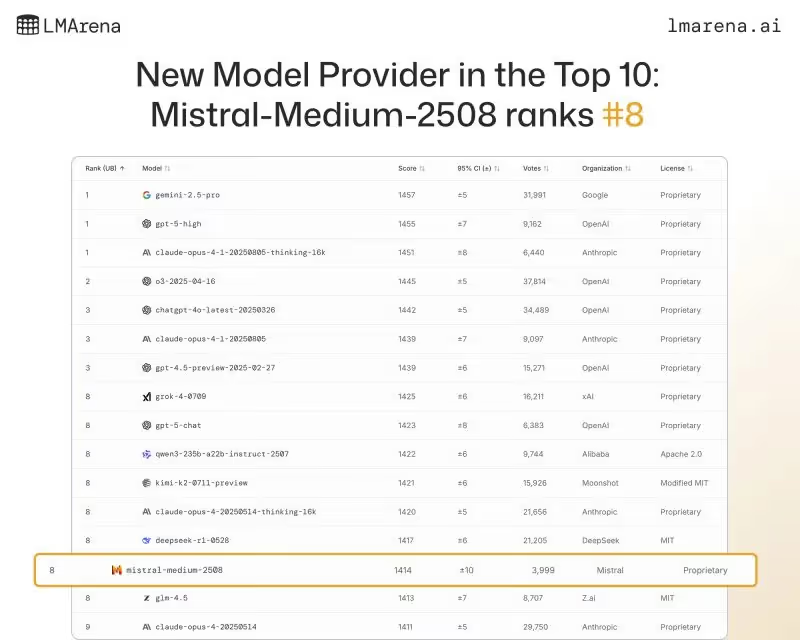
Chatbot Arena / LMArena
In questa classifica, Gemini 2.5 Pro domina la categoria testuale con un punteggio in stile Elo di 1451 e oltre 50.000 voti diretti, il che significa che gli utenti reali preferiscono costantemente le sue risposte rispetto ad altri modelli nei confronti dal vivo. Anche le varianti di GPT-5 (“gpt-5-high”) e i modelli Claude, come Claude Sonnet 4.5 e Claude Opus 4.x, si collocano nella fascia d'élite, a pochi punti di distanza.
Mistral Medium 3.1 (pubblicato come mistral-medium-2508) ha scalato le posizioni fino a raggiungere il vertice della Arena, entrando nella top 10 globale e conquistando il podio in categorie come la programmazione e la gestione di query complesse.
Benchmark rigorosi (matematica, codice, ragionamento)
Mistral Medium 3.1 registra un punteggio del 74,4% su MMLU Pro, un successore più severo del classico MMLU progettato per mettere alla prova il ragionamento di livello esperto, e circa il 63% su MMMU, che valuta la comprensione multimodale (ragionamento su testo e immagini). Sono risultati solidi, specialmente considerando la sua fascia di prezzo.
In confronto, Gemini 2.5 Pro si posiziona come lo stato dell'arte nel ragionamento (21,6% su “Humanity’s Last Exam”, una valutazione di ragionamento di frontiera senza strumenti), 86,4% su GPQA Diamond (scienza di livello PhD) e 69,0% su LiveCodeBench per la generazione di codice al primo tentativo. Registra inoltre l'88,0% su AIME 2025 in matematica in modalità tentativo singolo, un livello di affidabilità matematica estremamente elevato senza ricorrere a tentativi multipli.
Claude Sonnet 4.5 spinge ancora oltre nella programmazione applicata e nel lavoro a lungo termine: Anthropic riporta il 77,2% su SWE-bench Verified (82,0% con tentativi paralleli), oltre a risultati leader su OSWorld (61,4%), che misura l'uso reale del computer, come la navigazione web, la modifica di fogli di calcolo e l'esecuzione di attività in più passaggi.
GPT-5 di OpenAI si colloca nella stessa fascia di altissima gamma. Analisi indipendenti citano un tasso di successo di circa il 74,9% su SWE-bench Verified (un enorme salto rispetto al ~30% di GPT-4o), oltre a progressi significativi nel ragionamento scientifico complesso.
Mistral Medium 3.1 non supera i modelli “di punta” nelle valutazioni di programmazione più avanzate, ma è abbastanza vicino da poter essere considerato affidabile per le normali attività professionali.
Costi, finestra di contesto e scalabilità
Ecco come si posizionano attualmente i costi per milione di token per i modelli di classe "thinking" / frontier:
- Mistral Medium 3.1: ~$0,40 in input / $2,00 in output per milione di token, finestra di contesto di circa 131k.
- Gemini 2.5 Pro: $1,25 in input / $10 in output per milione di token, con modalità di ragionamento avanzate e un contesto che si estende verso 1M di token per attività di recupero prolungate.
- GPT-5: $1,25 in input / $10 in output per milione di token per il livello flagship, con 400k di contesto e fino a 128k token in output.
- Claude Sonnet 4.5: $3 in input / $15 in output per milione di token (come Sonnet 4), con circa 200k di contesto e una solida autonomia a lungo termine.
Sovranità, controllo e dove risiedono i tuoi dati
È qui che Mistral Medium 3.1 diventa particolarmente interessante.
Mistral si posiziona come fornitore di IA "sovrana": azienda europea, focus sulle imprese e modelli di distribuzione che includono cloud, VPC privato o persino on-premise, per mantenere la piena proprietà dei dati. Le istituzioni francesi ed europee inquadrano apertamente tutto ciò come strategico — includendo partnership pubbliche su difesa, infrastrutture e capacità di calcolo GPU in Europa — e Mistral propone Medium 3.x come una soluzione da gestire secondo le proprie regole di conformità, evitando di inviare conversazioni sensibili a una black box all'estero.
Quali sono le funzionalità di Le Chat (di Mistral AI)
Ecco un approfondimento su ciò che offre — e su come tu possa farlo funzionare per il tuo team.
2.1 Interfaccia conversazionale e supporto multilingue
Le Chat è progettato come un assistente conversazionale completo: ci interagisci come faresti con un collega. Non si limita a "fai una domanda, ottieni una risposta"; cerca di comprendere il tuo contesto, le interazioni passate e le tue preferenze.
Supporta inoltre più lingue, quindi se gestisci riunioni, colloqui o team distribuiti geograficamente, Le Chat è in grado di gestire input in francese, inglese, spagnolo e altro ancora. Per la presa di appunti e le trascrizioni multilingue, questo è un grande vantaggio.
2.2 Caricamento, analisi e ragionamento integrato dei documenti
Una delle funzionalità più interessanti per te: Le Chat supporta il caricamento e l'analisi di documenti. Puoi fornirgli PDF, presentazioni e persino note scritte a mano scansionate: applica l'OCR, analizza il contenuto e risponde a domande in merito. Questo diventa utile quando l'esito delle tue riunioni è archiviato sotto forma di slide, report o in formati multipli.
Integra inoltre un motore di ragionamento avanzato, il che significa che non può solo riassumere il documento, ma estrarre approfondimenti chiave, confrontare versioni, evidenziare differenze, ecc. Ad esempio: “Ecco le due versioni delle nostre specifiche di prodotto: trova le modifiche e riassumi le implicazioni per la roadmap.”
2.3 Ricerca web in tempo reale, generazione di immagini e contenuti visivi
Le funzionalità di Le Chat includono la ricerca web in tempo reale : ciò significa che può recuperare informazioni aggiornate, citare le fonti e integrare conoscenze esterne nelle risposte. Per i verbali delle riunioni o le decisioni, significa che non sei limitato a conoscenze statiche.
Supporta anche la generazione di immagini (tramite il partner Black Forest Labs / Flux Ultra) e funzionalità dell'interfaccia utente in stile “Canvas”, dove puoi organizzare visivamente i pensieri, creare mockup, costruire tabelle, ecc. Questo è un punto di forza notevole se il tuo team passa dalla discussione alla pianificazione visiva.
2.4 Memoria, personalizzazione e controllo aziendale
Una delle funzionalità più avanzate: le Memoriedi Le Chat. Ciò significa che l'assistente ricorda le conversazioni precedenti, le preferenze chiave, il tuo ruolo e la cronologia dei progetti, rendendo i follow-up e la continuità del contesto decisamente migliori.
Per te, questo significa che se la scorsa settimana hai discusso della “roadmap del Progetto X” e ora ci ritorni sopra, l'assistente non parte da zero, ma fa riferimento a quella cronologia.
Accanto a questo, Le Chat offre controlli di livello aziendale: privacy dei dati verificabile, distribuzione su cloud privato o in locale, gestione delle licenze, verifica del dominio e integrazioni (SharePoint, Google Drive, ecc.) per documenti e collaborazione.
Questo è particolarmente utile se le tue riunioni contengono contenuti sensibili (strategie per i clienti, questioni legali, settori regolamentati) e desideri mantenere la sovranità sui dati.
Prezzi di Mistral AI
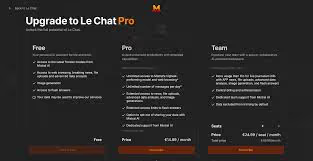
Mistral offre un modello a livelli per il suo prodotto Le Chat: un piano gratuito , un piano Pro e un piano Team/Enterprise .
- Piano gratuito: 0 $/mese. Ottieni l'accesso a molte funzionalità principali (messaggi, caricamento di documenti, generazione di immagini, modalità vocale) con limiti di utilizzo.
- Piano Pro: 14,99 $/mese (USD) per utenti singoli. Questo sblocca limiti più elevati, chat "illimitate" (entro i limiti di un utilizzo corretto), funzionalità estese come Flash Answers, messaggi giornalieri illimitati, più caricamenti di documenti, ecc. Sono stati segnalati alcuni prezzi o sconti per studenti (ad esempio, circa 6,99 $ per gli studenti idonei).
- Piani Team/Enterprise: Per utenti multipli e funzionalità aziendali. Esempi di prezzo: circa 24,99 $/utente/mese (a volte circa 19,99 $ con fatturazione annuale) per il livello Team. Il livello Enterprise ha prezzi personalizzati.
Se desideri utilizzare i modelli di Mistral direttamente, ad esempio tramite API per trascrizioni, riassunti o flussi di lavoro, i prezzi differiscono da quelli dei piani per chatbot:
- Mistral Medium 3 (e modelli di frontiera simili) costano, secondo quanto riferito, 0,40 $ per milione di token in input e 2,00 $ per milione di token in output in un guasto segnalato.
- La finestra di contesto, i limiti dei token e le opzioni di distribuzione sono importanti: il modello supporta contesti lunghi (~128k token), il che ti aiuta a elaborare trascrizioni complete di riunioni o documenti.
Noota: lo strumento di IA sovrana e operativa basato su Mistral AI

Noota è progettato come una soluzione di IA sovrana e operativa (e strettamente allineato all'ecosistema di modelli di Mistral)
- Acquisizione automatica delle riunioni: Noota può partecipare automaticamente alle riunioni programmate, registrare su diverse piattaforme (ad esempio Zoom, Microsoft Teams, Google Meet), telefonicamente e di persona.
- Trascrizione in tempo reale + riepiloghi + attività da svolgere: Invece di fornirti solo un muro di testo, Noota offre riepiloghi strutturati, monitoraggio delle decisioni, passaggi successivi e invia email di follow-up, se necessario.
- Archivio riunioni ricercabile: Tutte le tue riunioni vengono indicizzate e sono facilmente ricercabili: così, quando devi trovare "cosa è stato detto riguardo a X nella riunione del 21/08", puoi trovarlo rapidamente.
- Integrazioni con il tuo stack: Noota si collega a CRM, ATS, strumenti di gestione progetti, calendari e altri sistemi utilizzati dal tuo team, rendendo i risultati delle riunioni operativi, non solo archiviati.
- Infrastruttura sovrana e sicura: Per te e il tuo team, sapere che i dati sono archiviati in data center dell'UE, crittografati e sotto il vostro controllo offre la massima tranquillità.
PROVA NOOTA GRATUITAMENTE ORA.
Chi è l'autore

FAQ
Mistral Medium 3.1 raggiunge il top 10 globale su Chatbot Arena e top 3 in coding, con 74.4% su MMLU Pro. Compete bene con i modelli frontier a costi significativamente inferiori, anche se GPT-5 e Claude Sonnet 4.5 mantengono vantaggi su task estremi.
- Top 10 Chatbot Arena globale
- 74.4% MMLU Pro benchmark
- 131k token context window
Mistral Medium 3.1 costa ~$0.40 input e $2.00 output per milione di token, mentre Gemini 2.5 Pro parte da $1.25 input. Questo rende Mistral ideale per aziende che cercano qualità enterprise a frazione del prezzo.
- $0.40 input per milione token
- $2.00 output per milione token
- 3x più economico di Gemini
Noota integra Mistral AI con automazione intelligente, risparmiando 6,4 ore/settimana e riducendo admin dell'80%. Mentre Mistral eccelle in reasoning, Noota trasforma quell'intelligenza in flussi di lavoro concreti per team.
- 6,4 ore risparmiate settimanalmente
- -80% lavoro amministrativo
- 5000+ team già in uso
Per automazione meeting e documentazione, Noota combina la potenza di Mistral con workflow predefiniti, offrendo risultati pronti all'uso. Prova Noota gratis: accedi senza carta di credito e scopri come 5000+ team risparmiano tempo ogni giorno.
- Automazione meeting end-to-end
- Note intelligenti in 80+ lingue
- Nessuna configurazione richiesta