


Privacy dei Dati e Conformità
8 min di lettura
Updated on:
Dec 2, 2025
GDPR e IA: cosa c'è da sapere
Vuoi sapere se il tuo utilizzo dell'IA deve essere conforme al GDPR? Ecco la tua guida.
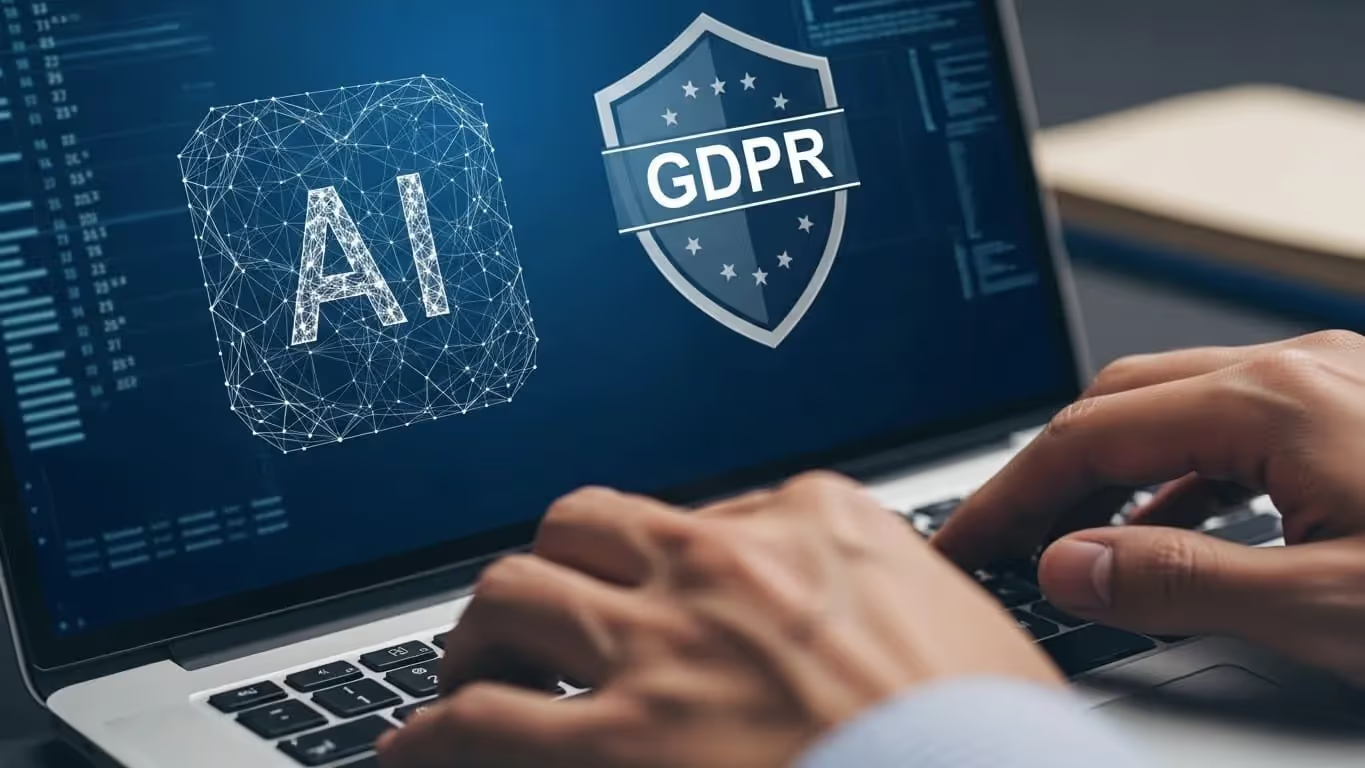
Se stai esplorando l'IA nell'UE, c'è una domanda fondamentale:
Come trarre vantaggio dall'IA senza violare le norme del GDPR?
Questo articolo aiuta a capire quando il GDPR si applica all'IA, quali sono i maggiori rischi di conformità e come progettare flussi di lavoro basati sull'IA che siano al contempo potenti e rispettosi della privacy.
Il GDPR copre gli utilizzi dell'IA?
Sì: in quasi tutte le situazioni realistiche in cui si utilizza l'IA per elaborare dati personali, si applica il Regolamento generale sulla protezione dei dati (GDPR).
Il GDPR disciplina il "trattamento" dei dati personali. Il "trattamento" include raccolta, archiviazione, analisi, profilazione, processi decisionali automatizzati e, sì, è esattamente ciò che fanno molti sistemi di IA. Anche se la tua IA gestisce solo un nome e un'email, o registra dati comportamentali (IP, modelli di utilizzo), si tratta di dati personali secondo l'ampia definizione del GDPR.
Principali disposizioni del GDPR rilevanti per l'uso dell'IA
Se integri l'IA nei tuoi flussi di lavoro, le seguenti norme del GDPR sono fondamentali:
- Base giuridica del trattamento: Devi disporre di una base giuridica — consenso, contratto, legittimo interesse o altro fondamento valido — prima di elaborare dati personali tramite l'IA.
- Trasparenza e obbligo di informativa: Devi informare gli interessati su come verranno utilizzati i loro dati, specificando se vengono inseriti in sistemi di IA, che tipo di profilazione o decisioni automatizzate potrebbero verificarsi e quali diritti essi abbiano.
- Diritti degli interessati: Le persone hanno il diritto di accedere ai dati, richiederne la rettifica, la cancellazione o la limitazione, anche quando i dati sono stati elaborati da un'IA.
- Norme specifiche per la profilazione e i processi decisionali automatizzati: Se l'IA prende decisioni su una persona (assunzioni, credito, valutazioni, punteggi di rischio, ecc.), il GDPR richiede tutele specifiche: informazioni significative, diritto alla revisione umana, diritto di opposizione o di richiedere una spiegazione.
- Minimizzazione dei dati e limitazione della finalità: Raccogli solo i dati strettamente necessari allo scopo dell'IA e non riutilizzarli in seguito senza un avviso chiaro o un nuovo consenso.
- Obblighi di sicurezza e responsabilità: I titolari del trattamento devono garantire una sicurezza adeguata (crittografia, controllo degli accessi), documentare le attività di trattamento ed essere pronti a dimostrare la conformità.
GDPR e IA: quali sono le sfide e i rischi
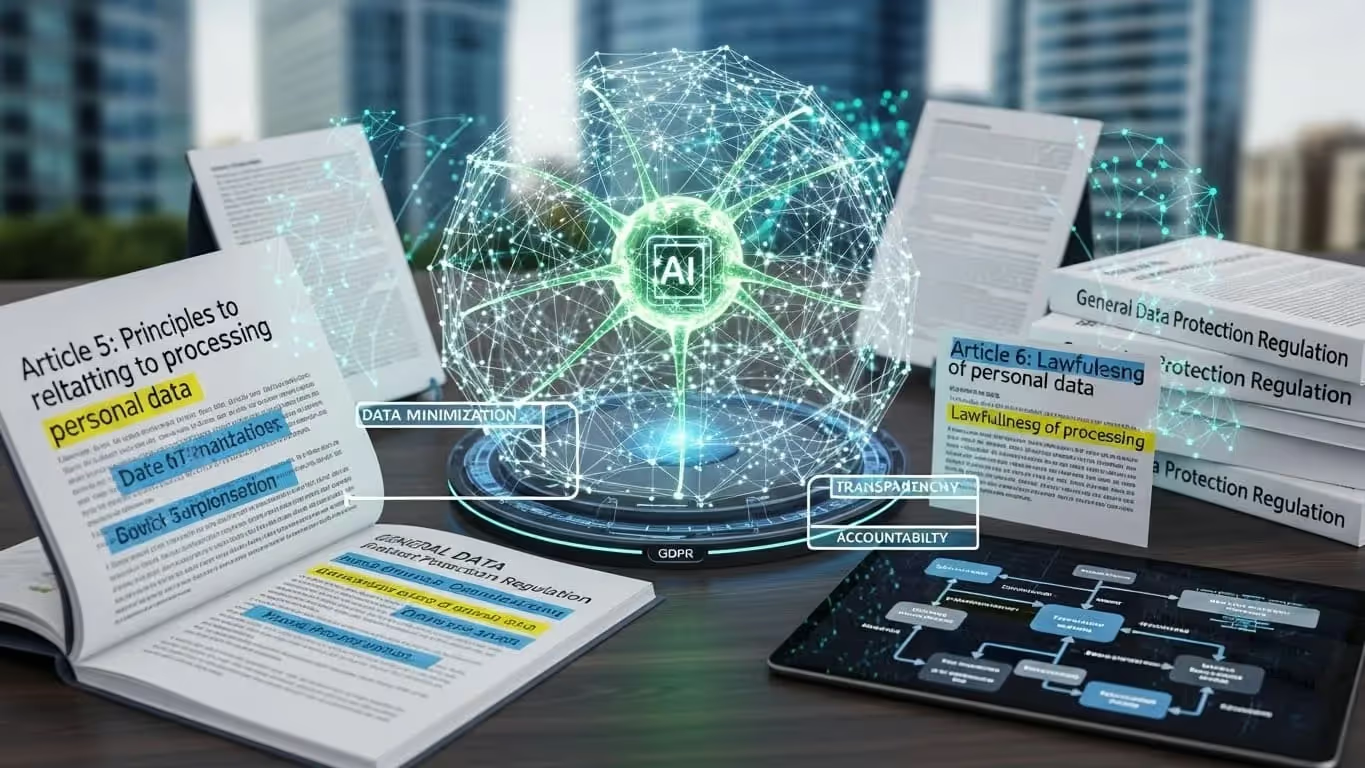
Implementare l'IA nel rispetto delle norme GDPR offre grandi vantaggi, ma comporta anche specifici rischi di conformità.
⚠️ Rischio 1: Trattamento di dati personali, anche quando non è intenzionale
I sistemi di IA raramente elaborano solo dati anonimi. In molti casi, acquisiscono nomi, indirizzi email, log comportamentali, indirizzi IP, ID utente, metadati o deducono nuovi attributi (preferenze dell'utente, previsioni, punteggi). Ai sensi del GDPR, tutto ciò è considerato "dato personale". L'applicazione di algoritmi di IA su tali dati fa scattare gli obblighi standard per i titolari del trattamento.
Anche quando i dati sembrano "innocui", la capacità dell'IA di combinare, dedurre o re-identificare informazioni può trasformare improvvisamente il set di dati in dati personali, rendendo il GDPR pienamente applicabile.
⚠️ Rischio 2: Mancanza di trasparenza e spiegabilità (IA "black box" vs. diritti GDPR)
L'IA è spesso opaca. I modelli di machine learning, i modelli linguistici di grandi dimensioni e i sistemi generativi operano con una logica interna complessa, difficile da spiegare in una forma comprensibile per l'uomo.
Tale opacità si scontra con il requisito di trasparenza del GDPR: è necessario informare gli utenti su come vengono trattati i loro dati personali, come avvengono la profilazione o il processo decisionale automatizzato e su quale logica si basano. Quando l'output della tua IA consiste in una raccomandazione, una decisione o un risultato di profilazione che incide sulle persone, la mancanza di spiegabilità può violare le norme del GDPR su correttezza e trasparenza.
⚠️ Rischio 3: Consenso e base giuridica valida diventano complessi
Il GDPR richiede una base giuridica per il trattamento dei dati personali. In molti contesti di IA, ottenere un consenso valido è difficile: deve essere informato, specifico, libero e revocabile. Ma se in seguito riaddestri i modelli, riutilizzi i dati o li inserisci in nuove pipeline di IA, il consenso originale è ancora valido?
In alternativa, puoi invocare il legittimo interesse, ma ciò richiede un rigoroso test di bilanciamento: i tuoi interessi contro i diritti dell'individuo. Per la profilazione, il punteggio o l'IA predittiva, dimostrare legalmente ed eticamente tale equilibrio diventa complesso.
⚠️ Rischio 4: Minimizzazione dei dati e limitazione della finalità vs. l'appetito di dati dell'IA
Il GDPR sancisce due tutele fondamentali:
- Minimizzazione dei dati — raccogli solo i dati strettamente necessari per il tuo scopo.
- Limitazione della finalità — non riutilizzare i dati per scopi nuovi e non correlati senza un nuovo consenso o una base giuridica.
Tuttavia, l'IA prospera sui dati: più input migliorano l'accuratezza, la modellazione, l'inferenza e l'adattabilità futura. Esiste una tensione naturale: se alimenti un'IA con grandi set di dati "per sicurezza", rischi di raccoglierne troppi. Se in seguito desideri riutilizzare i dati per nuovi esperimenti di IA, rischi di violare la limitazione della finalità.
⚠️ Rischio 5: Conservazione, archiviazione e replica incontrollata dei dati
Addestramento dell'IA, logging, creazione di modelli, backup: tutto ciò può portare a una conservazione o replica indefinita dei dati personali. A meno che i dati non vengano rigorosamente anonimizzati o pseudonimizzati, sussiste il rischio che rimangano negli archivi più a lungo del necessario o che si diffondano in vari ambienti (backup in cloud, laptop degli sviluppatori, log).
Ciò viola il principio di limitazione della conservazione del GDPR e aumenta l'esposizione, specialmente in caso di violazione o accesso non autorizzato.
⚠️ Rischio 6: Processi decisionali automatizzati / profilazione e diritti individuali
Quando l'IA produce valutazioni, punteggi, previsioni o decisioni riguardanti le persone (idoneità all'assunzione, rischio di credito, offerte personalizzate, profilazione degli utenti), il GDPR introduce obblighi aggiuntivi. Gli interessati devono avere:
- Informazioni trasparenti sulla logica decisionale
- Il diritto di ottenere una revisione umana o di contestare la decisione
- Il diritto di opporsi o di richiedere un intervento
Non garantire questi diritti, ad esempio nascondendo la logica dell'IA o non offrendo alcun processo di revisione, ti espone a rischi legali e mina la fiducia degli utenti.
⚠️ Rischio 7: Collaborazione con fornitori di servizi IA terzi e sub-responsabili
Molti team si affidano a fornitori esterni di IA, API basate su cloud o strumenti SaaS. Tuttavia, quando esternalizzi l'elaborazione tramite IA, il GDPR non scompare: tu rimani il titolare del trattamento e il tuo fornitore diventa il responsabile del trattamento.
Ciò richiede:
- Un accordo sul trattamento dei dati (DPA) adeguato, che specifichi flussi di dati, luogo di conservazione, conservazione, notifica delle violazioni e restrizioni all'esportazione dei dati.
- Garanzie che i dati rimangano in giurisdizioni conformi (ad es. UE) e che i sub-responsabili seguano gli stessi standard.
- Auditabilità, log e controllo su ciò che viene fatto con i dati.
Come rendere il tuo sistema di IA conforme al GDPR
Con un approccio attento, puoi creare o adottare sistemi di IA che rispettino la privacy, proteggano i dati degli utenti e soddisfino i requisiti del GDPR
🔍 Passaggio 1: Mappa i tuoi flussi di dati: conosci quali dati utilizzi e perché
Prima di avviare un progetto di IA, inizia documentando tutto: quali dati raccogli, da dove provengono, come fluiscono attraverso i tuoi sistemi, come vengono elaborati e dove sono archiviati. Ciò include input grezzi, metadati, log, output dei modelli, backup e qualsiasi condivisione di dati con terze parti.
Questa "mappatura dei flussi di dati" ti aiuta a identificare dove i dati personali o sensibili entrano o escono dal tuo sistema. Ti consente di valutare i rischi in anticipo e di applicare le protezioni necessarie, invece di scoprire i problemi in seguito, quando potrebbe essere troppo tardi.
📄 Passaggio 2: Scegli una base giuridica e definisci uno scopo chiaro
Il GDPR richiede una base giuridica per il trattamento dei dati personali. Per gli utilizzi dell'IA, le basi comuni sono:
- Consenso — quando gli utenti accettano esplicitamente che i propri dati vengano elaborati dall'IA (ad esempio per profilazione o personalizzazione). Il consenso deve essere informato, inequivocabile e revocabile.
- Esecuzione di un contratto / legittimo interesse — per processi interni, erogazione di servizi o operazioni necessarie, a condizione di poter dimostrare che l'utilizzo dei dati sia proporzionato e tuteli i diritti.
È inoltre necessario definire e documentare la limitazione della finalità: siate espliciti riguardo all'utilizzo dei dati e impegnatevi a non riutilizzarli per scopi non correlati, a meno di non ottenere un nuovo consenso o una base giuridica. Ciò riduce il rischio di uso improprio e contribuisce a mantenere la fiducia.
🧹 Passaggio 3: Minimizzare e rendere anonimi / pseudonimizzare i dati quando possibile
Applicate il principio di minimizzazione dei dati — raccogliete ed elaborate solo ciò che è strettamente necessario. Evitate di raccogliere dati "per sicurezza". Meno dati personali gestite, minore sarà il rischio di non conformità.
Quando possibile, rendete anonimi o pseudonimizzate i dati prima di inserirli nell'IA. L'anonimizzazione — che rende impossibile identificare gli individui — elimina molti obblighi previsti dal GDPR. La pseudonimizzazione riduce i rischi e, unita a una sicurezza adeguata, vi aiuta a operare in modo più sicuro continuando a beneficiare dell'elaborazione tramite IA.
📢 Passaggio 4: Trasparenza — informare gli individui sul trattamento tramite IA
Laddove i dati personali vengano elaborati dall'IA (in particolare per profilazione, decisioni automatizzate o personalizzazione), il GDPR richiede di informare gli interessati. Ciò significa fornire:
- Quali dati vengono raccolti
- Perché e come l'IA elabora i dati
- Quali decisioni o attività di profilazione potrebbero verificarsi
- I loro diritti (accesso, rettifica, cancellazione, opposizione)
Utilizza informative sulla privacy chiare e accessibili. Evita il gergo tecnico. Se gli output influenzano le persone (ad esempio punteggi, classifiche, raccomandazioni), spiegalo in termini comprensibili. La trasparenza crea fiducia e aiuta a soddisfare i requisiti legali.
🛡 Passaggio 5: Garantisci diritti e supervisione umana, specialmente per le decisioni automatizzate
Se il tuo sistema di IA prende decisioni o effettua previsioni che influenzano le persone (ad esempio credit scoring, idoneità all'assunzione, personalizzazione, valutazioni del rischio), il GDPR riconosce loro dei diritti:
- Diritto di accedere ai dati e alla logica decisionale
- Diritto di richiedere una revisione umana o un riesame
- Diritto di opporsi o di escludersi dalla profilazione o dal processo decisionale automatizzato
Pianifica un processo di revisione o ricorso: ogni volta che l'IA influenza una decisione, assicurati che ci sia un intervento umano in grado di revisionare e intervenire. Documenta le decisioni, rendi disponibili i log e consenti correzioni se i dati o l'output risultano errati.
🔒 Passaggio 6: Utilizza un'infrastruttura conforme e una gestione sicura dei dati
Dove sono ospitati i dati, come vengono archiviati e crittografati, chi vi ha accesso: tutto è importante. Per le organizzazioni con sede nell'UE, prediligi strumenti e piattaforme che archiviano i dati in data center europei, supportano il GDPR e si impegnano a rispettare gli standard di protezione dei dati.
Se utilizzi servizi di IA o cloud di terze parti, firma un accordo per il trattamento dei dati (DPA), assicurati che i sub-responsabili siano conformi e verifica che i dati non lascino le giurisdizioni dell'UE senza adeguate garanzie.
Per i dati sensibili, prendi in considerazione l'IA self-hosted o on-premise, oppure il deployment locale di modelli open source: questo offre il massimo controllo sulla residenza e sulla gestione dei dati.
✅ Passaggio 7: Documenta tutto ed effettua audit regolari
La conformità non è un compito una tantum, ma un processo continuo. Tieni traccia dei registri di elaborazione dei dati, delle decisioni prese dall'IA, dei consensi, dei diagrammi di flusso dei dati e di qualsiasi evento di accesso o condivisione dei dati.
Gli audit regolari ti aiutano a individuare tempestivamente eventuali problemi: consensi obsoleti, fughe di dati, flussi di dati imprevisti o sub-responsabili non approvati. Agire in modo proattivo ti risparmierà complicazioni qualora le autorità di controllo richiedessero prove della conformità.
I migliori strumenti e piattaforme di IA conformi al GDPR (o sovrani nell'UE / attenti alla privacy)
Non tutti gli strumenti di IA sono uguali in termini di conformità al GDPR, sovranità dei dati e privacy.
🔹 Noota — strumento per la trascrizione e la documentazione di riunioni, fondato nell'UE e attento alla privacy

Perché si distingue
Noota, un assistente IA di origine europea per la trascrizione e la presa di appunti durante le riunioni, progetta la propria offerta mettendo al centro privacy e conformità. Per i team che necessitano di registrare, trascrivere o archiviare riunioni (che possono contenere dati personali), Noota rappresenta un'alternativa attenta al GDPR. Eviterai di dipendere da servizi di trascrizione opachi ospitati all'estero.
Quando è la scelta giusta
Team ibridi o remoti che operano in Europa, dipartimenti HR che gestiscono colloqui, riunioni con i clienti, riepiloghi interni: ovunque vengano discusse informazioni sensibili. Utilizzare Noota aiuta a mantenere l'archiviazione dei dati, le trascrizioni e gli archivi sotto una governance conforme.
PROVA GRATUITAMENTE L'ASSISTENTE IA SOVRANO NOOTA QUI
🔹 Mistral AI — LLM a pesi aperti con opzioni orientate alla sovranità
Perché si distingue
Mistral AI è un fornitore europeo (francese) di LLM che punta su apertura, trasparenza e, soprattutto, sulla possibilità di auto-hosting o di distribuzione all'interno di infrastrutture controllate. I loro modelli non sono vincolati a API proprietarie e opache accessibili solo da giurisdizioni ignote. Questo ti garantisce il controllo su dove i dati vengono archiviati e come vengono elaborati.
Quando è la scelta giusta
Se sviluppi strumenti interni, elabori dati sensibili o regolamentati, o desideri evitare l'esportazione di dati al di fuori del tuo controllo, Mistral ti permette di rimanere conforme. Puoi elaborare testi tramite il loro modello, utilizzarlo in locale o nel tuo cloud ospitato nell'UE e gestire il flusso dei dati in conformità con le norme GDPR.
🔹 DeepL — IA per la traduzione e il linguaggio con solide radici europee e una comprovata conformità
Perché si distingue
DeepL ha sede in Germania ed è ampiamente considerato uno dei migliori strumenti di traduzione e IA linguistica. Per le aziende che necessitano di comunicazioni multilingue, traduzione di documenti o collaborazione internazionale in Europa, DeepL offre un'elevata qualità e credenziali di conformità.
Quando è la soluzione ideale
Se lavori in contesti multilingue — marketing, documentazione, assistenza clienti, team internazionali — e hai bisogno di uno strumento di traduzione che rispetti il GDPR, la residenza dei dati e la privacy by design.
Chi è l'autore
.webp)
FAQ
Il GDPR si applica quasi sempre quando l'AI elabora dati personali, anche se limitati a nome e email. L'AI deve rispettare:
- Base legale per l'elaborazione dei dati
- Trasparenza e informazione agli interessati
- Diritti di accesso, correzione e cancellazione
- Sicurezza e documentazione delle attività
- Regole speciali per decisioni automatizzate
I rischi maggiori includono l'elaborazione involontaria di dati personali, la mancanza di trasparenza nei modelli di machine learning, l'impossibilità di spiegare decisioni automatizzate e la violazione della minimizzazione dei dati. L'AI può re-identificare dataset apparentemente anonimi.
- Black box AI senza spiegabilità
- Inferenza di attributi personali non autorizzati
- Mancanza di diritto alla revisione umana
- Raccolta dati oltre lo scopo dichiarato
- Sicurezza inadeguata dei dati sensibili
Noota automatizza la documentazione e la conformità GDPR con trasparenza totale. Risparmia 6,4 ore/settimana di lavoro amministrativo (-80%), supporta 80+ lingue e ha rating 4,9/5 su G2 da 5000+ team. Noota registra ogni elaborazione dati, garantisce spiegabilità e facilita il rispetto dei diritti degli interessati.
- Automazione documentazione compliance GDPR
- Trasparenza totale nelle decisioni AI
- Supporto multilingue per 80+ lingue
- Certificato da 5000+ team globali
- Riduce admin del 80% rispetto ai competitor
Noota è la soluzione ideale: automatizza compliance GDPR, garantisce trasparenza AI, risparmia 6,4 ore/settimana e supporta team globali in 80+ lingue. Scelto da 5000+ aziende con rating 4,9/5. Prova Noota gratis — nessuna carta di credito richiesta.
- Automazione compliance GDPR completa
- Spiegabilità garantita per decisioni AI
- 6,4 ore/settimana risparmiate per team
- Supporto 80+ lingue e 5000+ clienti
- Rating 4,9/5 su G2 verificato