


Interviewfragen & -techniken
8 Min. Lesezeit
Aktualisiert am:
Jan 27, 2026
Die 8 besten Interviewtechniken
Du möchtest Interviews optimal führen? Hier ist dein Leitfaden mit den besten Praktiken.

Sie können die „richtigen“ Fragen im Vorstellungsgespräch stellen und trotzdem die falsche Person einstellen.
Der Unterschied liegt in der Art und Weise, wie Sie das Gespräch führen.
In diesem Artikel erfahren Sie die besten Interviewtechniken , die Sie sofort anwenden können.
1. Aktives Zuhören
Zuhören ist eine der am meisten unterschätzten, aber wirkungsvollsten Fähigkeiten, die Sie als Recruiter einbringen können.
Recruiter, die aktiv zuhören, erkennen Feinheiten – verborgene Motivationen, Bedenken oder Unsicherheiten –, die in einem Lebenslauf oft nicht sichtbar sind.
So sieht aktives Zuhören in der Praxis aus:
- Halten Sie Blickkontakt und achten Sie auf eine offene Körpersprache. Dies signalisiert Interesse und ermutigt den Kandidaten, sich zu öffnen.
- Achten Sie auf nonverbale Signale, wie Zögern, Veränderungen im Tonfall und die Körperhaltung. Kandidaten kommunizieren ihre tieferen Gefühle oder Unsicherheiten oft durch diese Signale.
- Vermeiden Sie Unterbrechungen. Lassen Sie die Kandidaten ihre Gedanken zu Ende führen, auch wenn Sie schon die nächste Frage stellen möchten – so erhalten Sie ein vollständigeres Bild ihres Denkprozesses.
- Stellen Sie durchdachte Rückfragen. Wenn Sie etwas Interessantes oder Unklares bemerken, haken Sie nach, anstatt zu schnell zum nächsten Punkt überzugehen.
- Zusammenfassen und reflektieren. Wenn Sie das Gesagte des Kandidaten in eigenen Worten wiederholen, zeigen Sie nicht nur, dass Sie ihn verstanden haben, sondern geben ihm auch die Möglichkeit, Punkte zu präzisieren oder zu vertiefen.
2. Strukturieren Sie Ihre Interviewfragen
Einer der größten Fehler von Recruitern ist es, Vorstellungsgespräche wie ein zwangloses Gespräch zu führen, das sich einfach so ergibt. Ohne eine konsistente Struktur laufen Sie jedoch Gefahr, Äpfel mit Birnen zu vergleichen, was es schwieriger macht, die richtige Person einzustellen.
Ein strukturiertes Interview bedeutet, dass Sie einen einheitlichen Leitfaden verwenden, der die Realität der Stelle und die Anforderungen an den Erfolg widerspiegelt. Diese Konsistenz ermöglicht es Ihnen, vergleichbare Informationen zu sammeln, sodass Sie Ihre Entscheidungen auf einer fundierten Datenbasis treffen können.
Eine Meta-Analyse von Interviewmethoden hat sogar ergeben, dass strukturierte Interviews fast doppelt so aussagekräftig für die spätere Arbeitsleistung sind.
Um einen strukturierten Fragenkatalog zu erstellen, beginnen Sie mit einer Stellenanalyse – verstehen Sie genau, welche Fähigkeiten, Verhaltensweisen und Ergebnisse die Rolle erfordert. Formulieren Sie dann Fragen, die genau auf diese Kriterien zugeschnitten sind, damit Sie die richtigen Aspekte bewerten.
Ein strukturierter Ansatz kann verschiedene Arten von Fragen umfassen:
- Verifizierende Fragen (zur Bestätigung der tatsächlichen Erfahrung)
- Verhaltensbezogene Fragen (zur Analyse vergangener Handlungen)
- Situative Fragen (zur Überprüfung der zukünftigen Denkweise).
Jede Frage sollte mit einer Kompetenz verknüpft sein, die für Sie wichtig ist.
3. Nutzen Sie ein einheitliches Bewertungsschema
Anstatt sich auf Ihr Bauchgefühl zu verlassen, sollten Sie und Ihr Einstellungsteam Kandidaten objektiv bewerten und sie sicher miteinander vergleichen. Bewertungsschemata helfen Ihnen dabei, von subjektiven Eindrücken zu evidenzbasierten Einstellungsentscheidungenzu gelangen.
Ein Interview-Bewertungsschema ist im Grunde ein standardisiertes Bewertungsinstrument , das die für die Rolle entscheidenden Kompetenzen und Verhaltensweisen auflistet, eine einheitliche Bewertungsskala bietet und Platz für Kommentare lässt, die erklären, warum ein Kandidat so bewertet wurde. Es stellt sicher, dass jeder Kandidat anhand derselben Faktoren und mit gleicher Aufmerksamkeit beurteilt wird, was für Fairness und Klarheit in Ihrem Prozess sorgt.
Beginnen Sie damit, die spezifischen Fähigkeiten und Eigenschaften zu identifizieren, die für die Rolle unerlässlich sind. Diese sollten mit der Stellenbeschreibung und den tatsächlichen Anforderungen der Position übereinstimmen. Sie könnten zum Beispiel Folgendes aufnehmen:
- Fachliche Kompetenzen (z. B. Beherrschung bestimmter Software oder Programmiersprachen)
- Soziale Kompetenzen (z. B. Kommunikation, Teamfähigkeit)
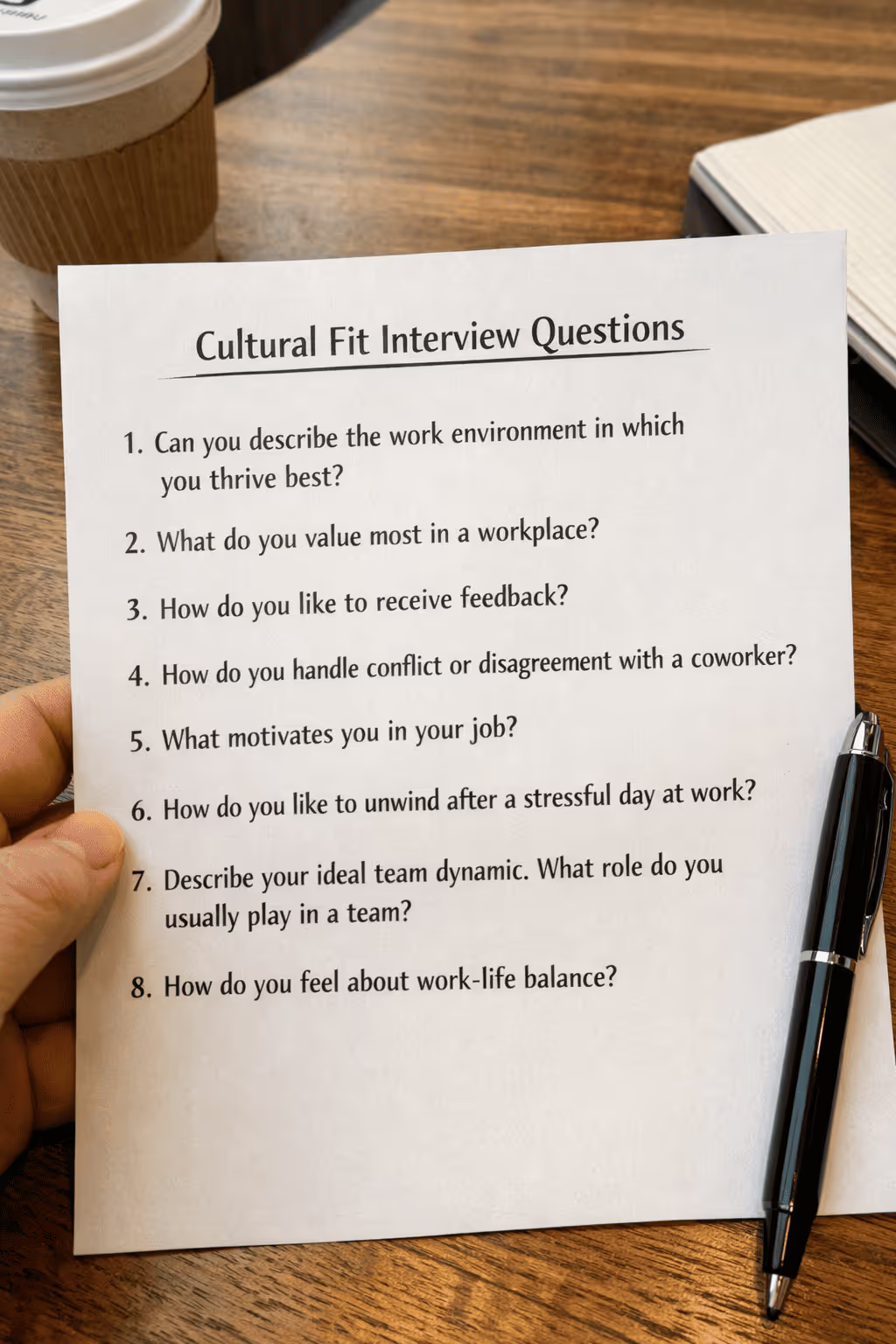
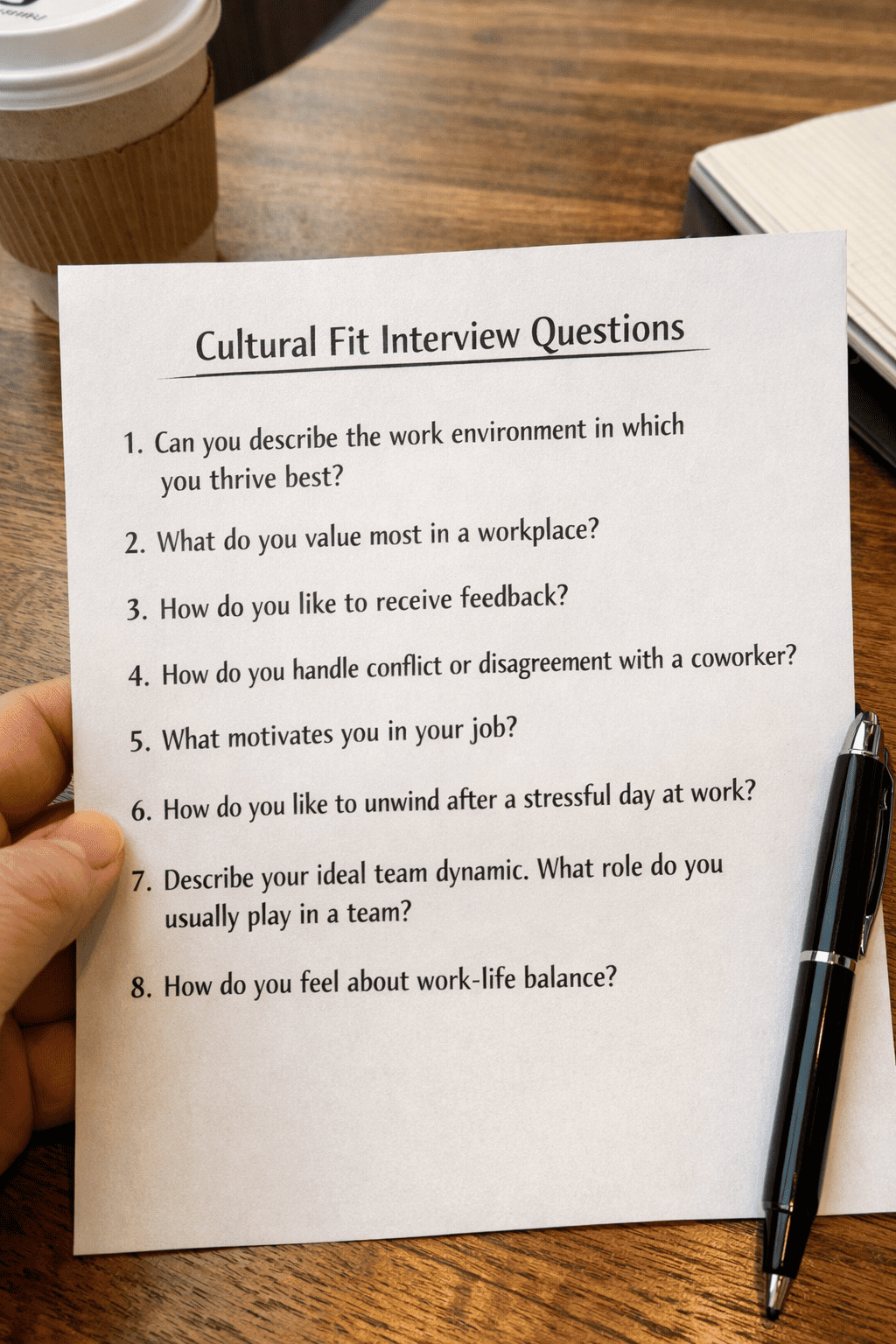
- Kulturelle Passung (z. B. Übereinstimmung mit den Unternehmenswerten)
Bewerten Sie jede Fähigkeit oder Kompetenz anhand einer numerischen Skala. Ein gängiges System ist die Skala von 1 bis 5, wobei 1 bedeutet, dass dem Kandidaten die erforderliche Fähigkeit fehlt, und 5 eine hohe Kompetenz anzeigt. Zum Beispiel:
- 1: Erfüllt die Erwartungen nicht
- 2: Erfüllt die Erwartungen teilweise
- 3: Erfüllt die Erwartungen
- 4: Übertrifft die Erwartungen
- 5: Übertrifft die Erwartungen bei weitem
Definieren Sie unbedingt die Bedeutung der einzelnen Zahlen, um unterschiedliche Interpretationen durch die Interviewer zu vermeiden.
Gewichten Sie jede Fähigkeit. Einer technischen Fähigkeit, die für die Rolle entscheidend ist, könnte beispielsweise ein höheres Gewicht beigemessen werden als einer Soft Skill, die zwar wünschenswert, aber nicht essenziell ist. Sie können Koeffizienten verwenden, um diese Priorität abzubilden, indem Sie beispielsweise eine technische Fähigkeit mit 5 und eine Soft Skill mit 2 gewichten.
4. Schlagen Sie realistische Szenarien vor

Wenn Sie Interviews führen möchten, die die tatsächliche Leistung vorhersagen, müssen Sie die Kandidaten in realistische Szenarien versetzen, denen sie im Job tatsächlich begegnen könnten.
Realistische Szenario-Fragen – auch situative oder szenariobasierte Interviewfragen genannt – fordern Kandidaten dazu auf, sich entweder eine potenzielle Herausforderung vorzustellen, die sie im Arbeitsalltag erwarten könnte oder zu beschreiben, wie sie in der Vergangenheit tatsächlich mit einer ähnlichen Situation umgegangen sindDiese Fragen stellen Urteilsvermögen und Prozesse in den Mittelpunkt und liefern Ihnen zuverlässigere Erkenntnisse über die zukünftige Leistung.
Zum Beispiel:
- „Stellen Sie sich vor, Ihr Team verpasst eine wichtige Deadline, weil zwei wichtige Mitarbeiter unterschiedliche Prioritäten hatten. Was würden Sie tun?“
- „Erzählen Sie mir von einer Situation, in der Sie einen Konflikt zwischen Kollegen lösen mussten, die nicht zusammenarbeiten konnten.“
5. Achten Sie auf das Verhalten (nicht nur auf Worte)
Wenn Sie Vorstellungsgespräche führen, sind die Antworten, die Sie hören nur der Anfang. Was wirklich zählt, ist das Verhalten, das der Kandidat durch diese Antworten zeigt.
Anstatt sich auf einstudierte Argumente oder abstrakte Kompetenzbehauptungen zu konzentrieren, suchen Sie nach konkreten Verhaltensbeispielen in realen Situationen. Dies offenbart, wie eine Person tatsächlich in Kontexten gehandelt hat, die denen ähneln, denen sie in Ihrem Team begegnen wird.
Genau deshalb setzen viele moderne Recruiter auf verhaltensbasierte Interviews: Damit lassen sich vergangene Handlungen als Indikatoren für zukünftige Leistungen bewerten.
Verhaltensorientierte Interviews basieren auf einem einfachen Prinzip: Vergangenes Verhalten ist der beste Indikator für zukünftiges Handeln unter ähnlichen Umständen. Anstatt zu fragen: „Wie würden Sie mit X umgehen?“, bitten Sie die Kandidaten, Situationen zu beschreiben, die sie bereits erlebt haben: Situationen, in denen sie Konflikte gelöst, schwierige Entscheidungen getroffen, sich an Veränderungen angepasst oder unter Druck zusammengearbeitet haben...
Eine klassische Methode, um diese Antworten zu strukturieren, ist die STAR-Methode (Situation, Task/Aufgabe, Action/Handlung, Result/Ergebnis). Mit STAR unterteilen Kandidaten ihre Beispiele in leicht verständliche Abschnitte:
- Situation: der Kontext oder die Herausforderung, vor der sie standen,
- Aufgabe: wofür sie verantwortlich waren,
- Handlung: welche Schritte sie unternommen haben,
- Ergebnis: das Resultat dieser Handlungen.
6. Stellen Sie unerwartete Fragen

Unerwartete Fragen holen Kandidaten aus dem Autopiloten. Zu viele Interviews verlassen sich auf dieselben vorhersehbaren Fragen – „Was sind Ihre Stärken?“ oder „Warum möchten Sie hier arbeiten?“ Kandidaten rechnen damit und bereiten auswendig gelernte Antworten vor.
Im Gegensatz dazu erfordern gut gewählte, unerwartete Fragen von den Kandidaten, spontan reagieren und authentische Einblicke in ihre Entscheidungsfindung, ihre Werte und ihre Kreativität geben.
Zum Beispiel:
- „Wenn du eine Superkraft haben könntest, welche wäre das – und wie würdest du sie bei der Arbeit einsetzen?“
- „Was würdest du an deinem letzten Job ändern, wenn du könntest?“
- „Es ist in einem Jahr genau mittags – was machst du gerade?“
Unerwartete Fragen sind besonders nützlich, wenn du Soft Skills und nicht-technische Eigenschaften einschätzen möchtest. Wenn du einen Kandidaten beispielsweise fragst, wie er seinen vorherigen Job neu gestalten würde, zeigt das, ob er neugierig ist und sich verbessern möchte.
7. Antworten umformulieren, um das Verständnis zu prüfen
Eine effektive Interviewtechnik, die du sofort anwenden kannst, ist das Umformulieren oder Paraphrasieren der Antworten des Kandidaten.
Nachdem ein Kandidat auf eine Frage geantwortet hat, halte kurz inne und gib die Antwort in eigenen Worten wieder – etwa mit „Ich verstehe das so, dass…“ oder „Du meinst also…“. Das signalisiert dem Kandidaten, dass du aufmerksam zuhörst und gibt ihm die Möglichkeit, Punkte zu korrigieren oder zu ergänzen, die in der ersten Antwort noch nicht vollständig abgedeckt waren.
Du brauchst keine spezielle Schulung, um effektiv umzuformulieren, aber hier sind ein paar Tipps, damit diese Technik in echten Interviews reibungslos funktioniert:
- Verwende eine neutrale Sprache – „führe“ den Kandidaten nicht mit deinem eigenen Urteil („Das hast du hier toll gemacht…“), sondern gib lediglich den Kern der Aussage wieder.
- Mache nach der Antwort eine Pause bevor Sie umformulieren – überstürzen Sie nichts. Ein kurzer Moment der Stille hilft Ihnen, das Gehörte zu verarbeiten und präzise zu antworten.
- Bitten Sie um Klärung oder Erläuterung, falls etwas noch vage erscheint („Meinen Sie damit, dass…?“).
8. Strukturierte Notizen mit KI erstellen

Manuelles Mitschreiben kann Sie vom aktiven Zuhören ablenken. Genau hier kommt Noota ins Spiel:
Automatisierte Aufzeichnung & Transkription
Noota zeichnet Ihre Interviews auf – egal ob über Zoom, Google Meet, Teams oder persönlich – und wandelt das Gesprochene schnell und präzise in Text um. Sie müssen nicht gleichzeitig Ihren Laptop bedienen und sich auf den Kandidaten konzentrieren, wodurch Sie voll präsent und aufmerksam bleiben.
Strukturierte Zusammenfassungen & Berichte
Nach dem Interview liefert Ihnen Noota nicht einfach nur ein langes Transkript. Es verwandelt Ihr Gespräch in übersichtliche, strukturierte Erkenntnisse – hebt Kernpunkte, Entscheidungen, Stärken des Kandidaten und wichtige Zitate hervor – und erstellt Ihnen innerhalb von Minuten einen fertigen Interviewbericht.
Intelligente Scorecards, angepasst an Ihre Kriterien
Anstatt nach jedem Gespräch mühsam Notizen zu verfassen, kann die KI intelligente Scorecards erstellen, die genau auf Ihre Einstellungskriterien abgestimmt sind. Das macht es für Sie und Ihr Team einfacher, Kandidaten objektiv und konsistent zu vergleichen.
Integration in Ihre Tools
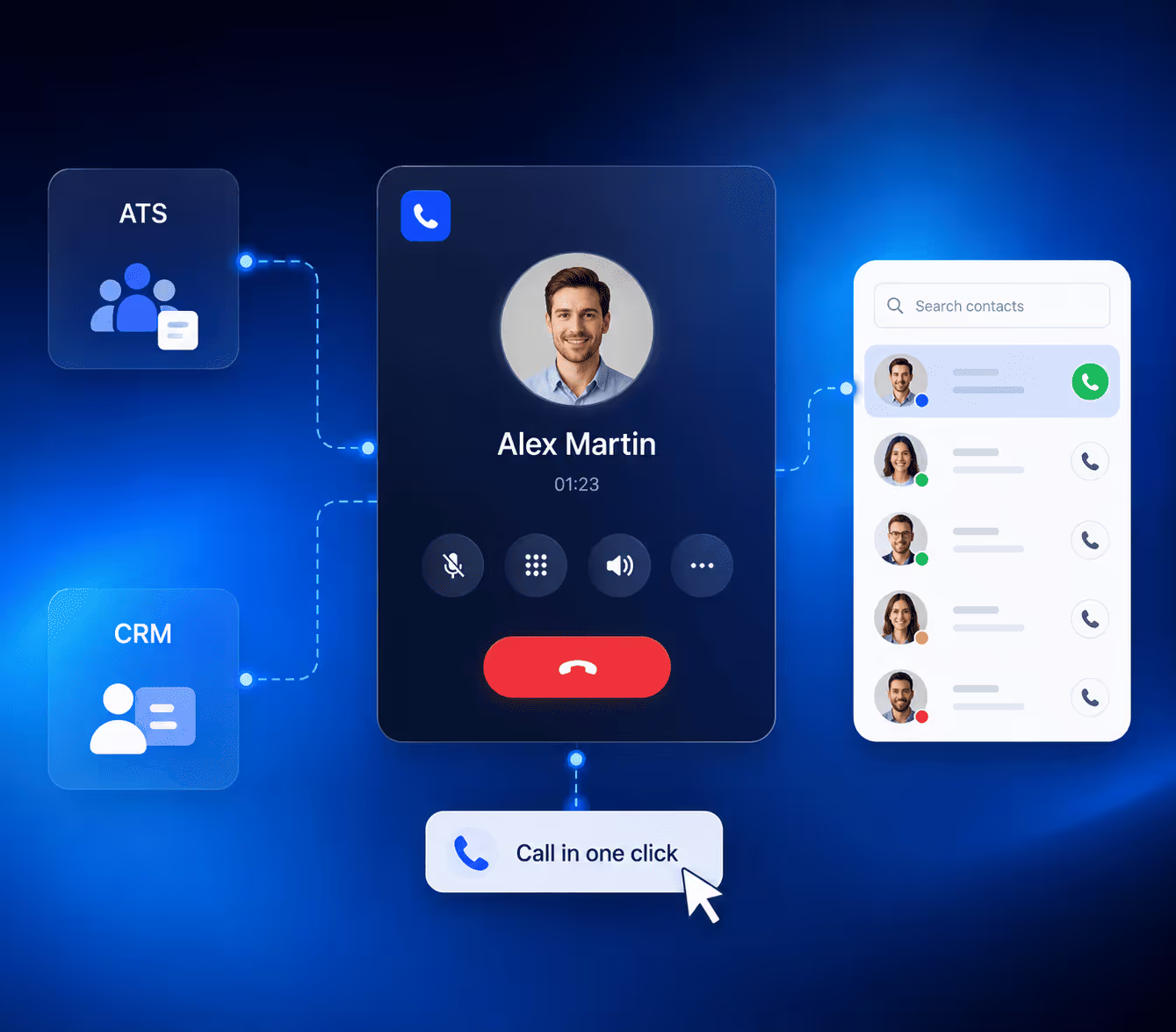
Noota synchronisiert sich mit ATS-Systemen und Kommunikationstools wie Slack, Notion und CRM-Plattformen, damit Interview-Erkenntnisse nicht isoliert bleiben. Ihre Kandidatendaten, Notizen und Zusammenfassungen fließen nahtlos in die Systeme, die Sie bereits nutzen – kein Copy-Paste, keine verlorenen Informationen.
Durchsuchbare Transkripte & Highlights
Mit Noota können Sie Transkripte schnell durchsuchen, um bestimmte Momente, Phrasen oder Antworten von Kandidaten zu finden, die Sie sich noch einmal ansehen möchten. Das ist ein riesiger Vorteil, wenn Sie Antworten verschiedener Kandidaten vergleichen oder vor einer Entscheidung noch einmal ein Detail überprüfen möchten.
FAQ
❓ Was ist der Unterschied zwischen strukturierten und unstrukturierten Interviews?
Strukturierte Interviews verwenden für jeden Kandidaten einen festen Fragenkatalog, der in der gleichen Reihenfolge abgearbeitet wird. Dies hilft Ihnen, Antworten objektiv zu vergleichen, da Sie von allen die gleichen Informationen erhalten. Unstrukturierte Interviews wirken eher wie ein lockeres Gespräch und können nützlich sein, um eine Beziehung aufzubauen, machen Vergleiche zwischen Kandidaten jedoch weniger zuverlässig und können zu Voreingenommenheit führen. Strukturierte Verfahren führen zu besseren Einstellungsentscheidungen und einer faireren Bewertung.
❓ Warum sind verhaltensbezogene und situative Fragen so wichtig?
Verhaltensbezogene Fragen fordern Kandidaten dazu auf, reale Situationen zu beschreiben, die sie erlebt haben, was Ihnen Aufschluss darüber gibt, wie sie tatsächlich unter Druck oder in komplexen Szenarien reagieren. Situative Fragen hingegen präsentieren hypothetische Herausforderungen , die für die Stelle relevant sind, und bewerten, wie sie spontan reagieren. Beide Techniken helfen Ihnen dabei, über allgemeine Antworten hinauszugehen und einzuschätzen, wie jemand in ähnlichen Situationen in Ihrem Unternehmen agieren würde.
❓ Wie stelle ich sicher, dass ich während der Interviews aktiv zuhöre?
Aktives Zuhören bedeutet, sich voll und ganz auf die Worte, den Tonfall und die Körpersprache des Kandidaten zu konzentrieren, anstatt bereits die nächste Frage zu planen, während die Person noch spricht. Techniken wie das Paraphrasieren der Antworten und das Stellen durchdachter Rückfragen zeigen Ihr Interesse und helfen dabei, Unklarheiten zu beseitigen. Dies verbessert Ihr Verständnis und signalisiert Wertschätzung, was oft zu ausführlicheren Antworten führt.
❓ Was ist eine Scorecard und warum brauche ich sie?
Eine Scorecard ist ein strukturiertes Bewertungsinstrument, das die wichtigsten Kompetenzen, Verhaltensweisen und Fähigkeiten auflistet, die Sie beurteilen möchten – jeweils mit einer einheitlichen Bewertungsskala. Die Verwendung von Scorecards trägt dazu bei, dass jeder Kandidat fair und anhand derselben Kriterienbewertet wird, was die Konsistenz verbessert und Voreingenommenheit bei Einstellungsentscheidungen reduziert. Recruiter verwenden sie häufig in Kombination mit Techniken wie STAR (Situation, Task, Action, Result), um Antworten auf verhaltensbezogene Fragen zu bewerten.
❓ Wie gehe ich mit unerwarteten Antworten oder Schweigen um?
Anstatt das Schweigen einfach stehen zu lassen, nutzen Sie es als Gelegenheit, tiefer zu graben. Versuchen Sie, die Frage umzuformulieren oder das bisher Gehörte zusammenzufassen, und laden Sie den Kandidaten ein, dies zu präzisieren oder zu erweitern. Schweigen regt Kandidaten oft dazu an, gründlicher nachzudenken und Erkenntnisse preiszugeben, die sie sonst nicht geteilt hätten. Dies liefert Ihnen zudem klarere Daten für die spätere Bewertung und den Vergleich.
❓ Sollte ich die Fragen für jeden Kandidaten individuell anpassen?
Ja – bis zu einem gewissen Grad. Sie sollten einen festen Kern an strukturierten Fragen haben, um Konsistenz zu gewährleisten. Wenn Sie jedoch Raum für Rückfragen lassen, die auf dem spezifischen Hintergrund oder den Antworten des Kandidaten basieren, hilft Ihnen das dabei, dessen tatsächliche Denkweise und die Relevanz seiner Erfahrungen für Ihre Stelle besser zu verstehen. Die Balance zwischen Struktur und durchdachter Flexibilität ist eine Schlüsselkompetenz für effektive Vorstellungsgespräche.
❓ Wie vermeide ich Voreingenommenheit während der Interviews?
Voreingenommenheit schleicht sich oft ein, wenn sich Interviewer auf ihr Bauchgefühl oder unstrukturierte Gespräche verlassen. Um dies zu reduzieren:
- Nutzen Sie strukturierte Fragen und Bewertungsbögen, damit Vergleiche konsistent bleiben.
- Konzentrieren Sie sich auf verhaltensbezogene Nachweise statt auf bloße Eindrücke.
- Beziehen Sie mehrere Interviewer ein und vergleichen Sie Ihre Notizen objektiv.
Diese Praktiken tragen dazu bei, dass Sie auf Basis von Fähigkeiten und Passung einstellen – und nicht aufgrund von Charisma oder dem ersten Eindruck.
❓ Was ist der praktischste Tipp für bessere Vorstellungsgespräche?
Bereiten Sie im Voraus eine Liste mit stellenrelevanten Szenarien und verhaltensbezogenen Fragen vor, verwenden Sie einheitliche Bewertungskriterien (wie einen Bewertungsbogen) und praktizieren Sie während des gesamten Prozesses aktives Zuhören. Wenn Sie diese Techniken kombinieren, gelangen Sie von Fragen stellen zu wertvolle Erkenntnisse gewinnen die tatsächlich die zukünftige Leistung Ihres Teams vorhersagen.
Über den Autor

Anais schreibt über Interviewtechniken, KI im Recruiting, Meeting-Protokolle und Gesprächsaufzeichnung, mit langjähriger Erfahrung als HR-Redakteurin.
FAQ
Aktives Zuhören hilft Recruitern, verborgene Motivationen und Unsicherheiten zu erkennen, die im Lebenslauf nicht sichtbar sind.
- Erfasst nonverbale Signale wie Zögern und Tonveränderungen
- Ermöglicht tiefere Einblicke in Denkprozesse von Kandidaten
- Reduziert Fehleinstellungen durch besseres Verständnis
Strukturierte Interviews sind doppelt so aussagekräftig für zukünftige Jobperformance wie unstrukturierte Gespräche.
- Nutze Verifikations-, Verhaltens- und Situationsfragen konsistent
- Binde jede Frage an spezifische Kompetenzen der Rolle
- Ermöglicht objektiven Vergleich aller Kandidaten nebeneinander
Noota automatisiert Interview-Scorecards mit KI-gestützten Transkripten und eliminiert subjektive Bewertungsfehler vollständig.
- Noota erfasst alle Antworten automatisch und objektiv dokumentiert
- 80% weniger administrative Zeit bei Bewertungsprozessen
- 5000+ Teams vertrauen Nootas standardisierter Evaluierung weltweit
Noota kombiniert strukturierte Scorecards mit automatischer Transkription für konsistente, faire Einstellungsentscheidungen.
- Spart 6,4 Stunden pro Woche administrative Arbeit ein
- Verfügbar in 80+ Sprachen für globale Teams
- Noota kostenlos testen — keine Kreditkarte erforderlich