


Beheer
8 min leestijd
Dagelijkse zorgrapportages: een gids met sjabloon
Wil je weten hoe een goede dagelijkse zorgrapportage eruitziet? Hier is je gids.
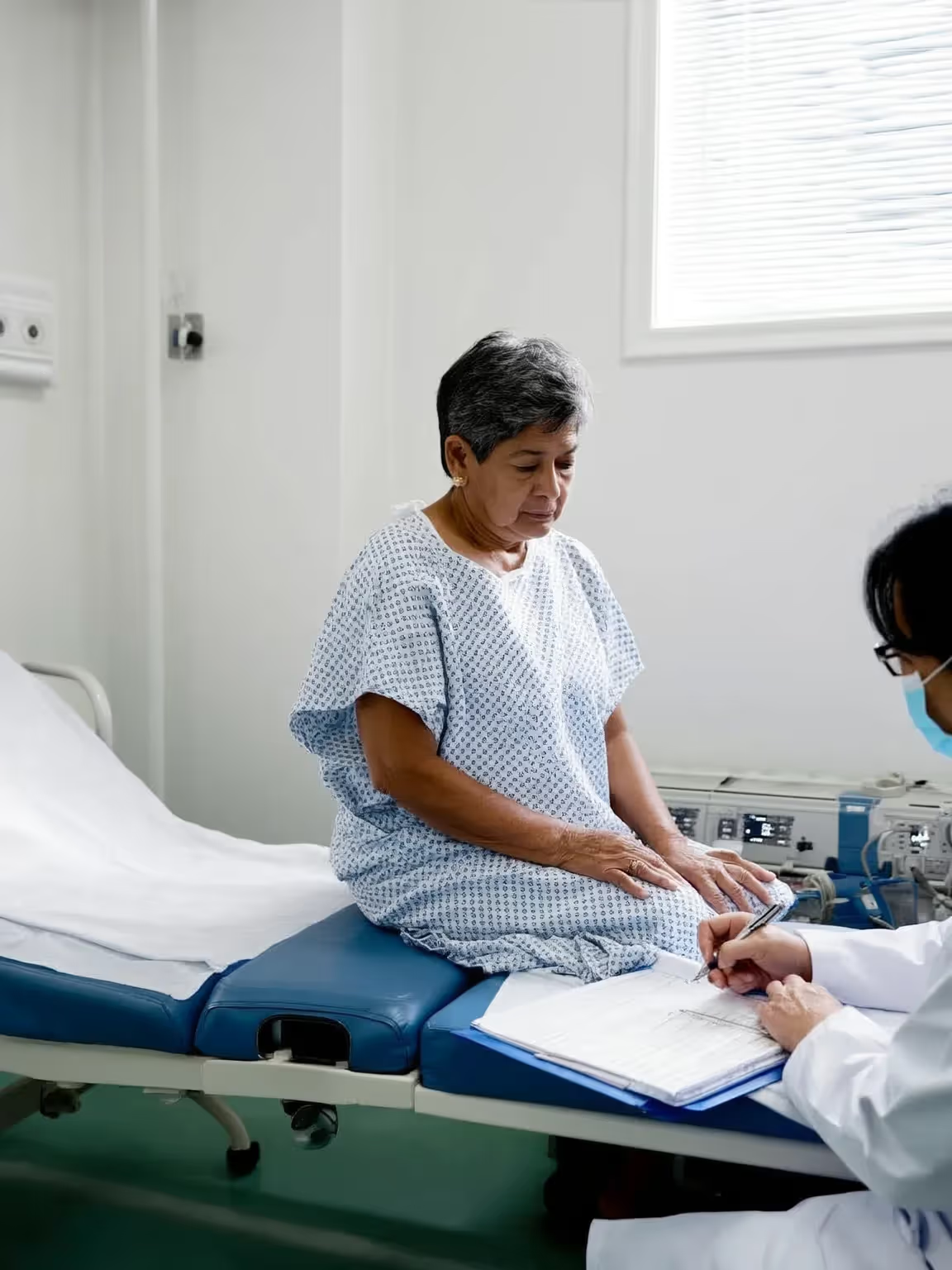
Je hebt gezorgd voor maaltijden, medicatie, mobiliteit en gesprekken – maar voordat je kunt uitrusten, staat er nog één ding op je lijstje: de dagelijkse zorgrapportage.
Het schrijven ervan aan het einde van een lange dag kan voelen als weer een taak die je afhoudt van wat echt belangrijk is: zorgen voor mensen.
In dit artikel vind je alles wat je nodig hebt om dit makkelijker en effectiever te maken:
Wat is dagelijkse zorgrapportage en waarom je dit altijd moet doen
Dagelijkse zorgrapportages zijn gestructureerde, schriftelijke verslagen van alle relevante gebeurtenissen, ondersteunende acties en observaties met betrekking tot het welzijn en de zorg van een individu gedurende een dienst of dag. Deze rapportages moeten verder gaan dan "cliënt heeft ontbeten" en ook veranderingen in stemming, gedrag, gezondheid en interacties vastleggen.
Waarom zou je dagelijkse zorgrapportage tot een vast onderdeel van je werkproces maken? Dit zijn de belangrijkste redenen:
1. Continuïteit van zorg & teamcommunicatie
Zorg is zelden een taak voor één persoon. Verschillende zorgverleners, diensten, leidinggevenden en externe professionals kunnen allemaal met dezelfde persoon te maken hebben. Dagelijkse zorgrapportages fungeren als een gedeeld overdrachtsdocument, zodat iedereen op één lijn zit: wat is er gebeurd, wat is er veranderd en wat heeft aandacht nodig. lEen rapportage die niet of slecht is ingevuld, betekent dat de volgende zorgverlener met een blinde vlek begint – en belangrijke veranderingen (bijv. in stemming, eetlust, mobiliteit) kunnen onopgemerkt blijven.
2. Vroegtijdige signalering van veranderingen & persoonlijke zorg
Een van de krachtigste redenen om dagelijkse zorgrapportages bij te houden, is dat ze je helpen patronen te herkennen. Een verandering in eetgewoonten, een nieuwe blauwe plek, toegenomen verwardheid – die details doen ertoe. Zonder dagelijkse verslaglegging gaan kleine alarmsignalen verloren. Voor jou betekent dit dat je proactief kunt handelen in plaats van achteraf te moeten reageren.
3. Wettelijke naleving, kwaliteitsborging & audittrail
In veel zorgomgevingen (ouderenzorg, gehandicaptenzorg, thuiszorg) is dagelijkse zorgrapportage niet optioneel – het is een wettelijke vereiste. Ze dienen als bewijs van wat er is gedaan, door wie en wanneer. Bij incidenten of inspectiebezoeken kunnen je rapportages worden beoordeeld als onderdeel van een onderzoek of audit. Slechte of ontbrekende verslagen kunnen leiden tot aansprakelijkheid en risico's.
4. Ondersteunt weloverwogen besluitvorming
Zorgplannen evolueren. Als je alleen vertrouwt op je geheugen of mondelinge overdracht, gaan details verloren. Goede dagelijkse zorgrapportages vormen de basis voor evaluatiegesprekken, herzieningen van zorgplannen en het volgen van doelen. Ze geven jou en je team betrouwbare input om de zorg waar nodig aan te passen – bijvoorbeeld door routines te wijzigen, medicatie te bespreken of door te verwijzen naar andere diensten.
5. Bouwt vertrouwen op bij families en betrokkenen
Families, voogden of externe betrokkenen willen vaak transparantie. Wanneer dagelijkse zorgrapportages helder, consistent en toegankelijk zijn, bied je een zichtbaar verslag van je werk. Dat versterkt het vertrouwen en onderstreept je professionaliteit.
Structuur & voorbeeld van dagelijkse zorgrapportages
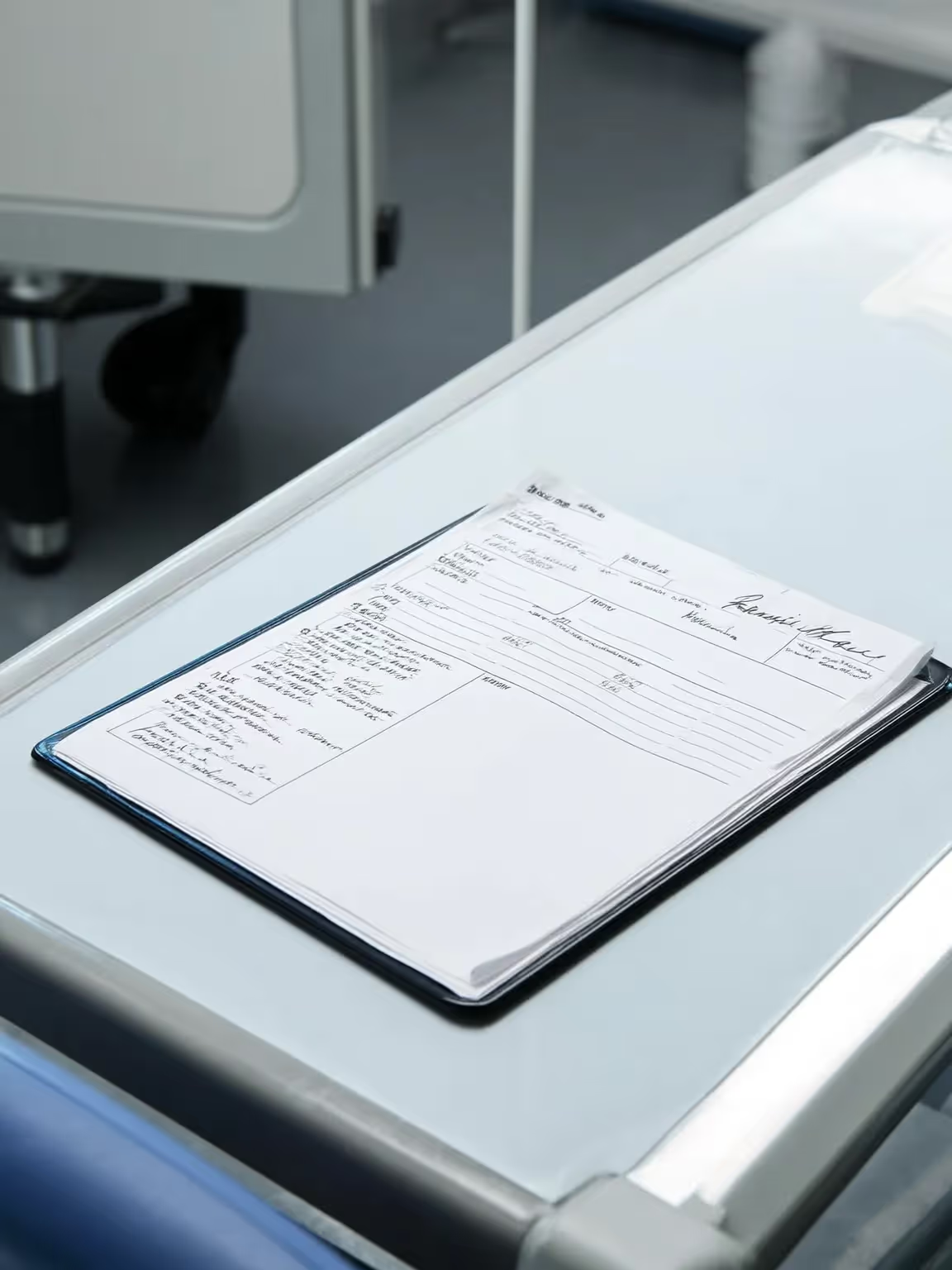
Een goede dagelijkse zorgrapportage bevat in ieder geval de volgende basisgegevens:
- Datum, tijdstip, naam van de zorgvrager en naam van de zorgverlener. Zonder deze gegevens is het rapport niet herleidbaar.
- Wat de persoon heeft gedaan: bijv. genuttigde maaltijden, mobiliteit/lopen, interacties, stemming, dagelijkse activiteiten.
- Welke zorg is verleend: bijv. hulp bij douchen/aankleden, toegediende medicatie, gebruikte hulpmiddelen, observaties.
- Hoe de persoon reageerde of veranderde: Had de persoon moeite met een activiteit? Was er sprake van een betere eetlust? Veranderde de stemming?
- Eventuele afwijkingen of incidenten: Vallen, blauwe plekken, gedragsveranderingen, problemen met hulpmiddelen, interacties met bezoekers. Deze moeten duidelijk worden genoteerd.
- Vervolgstappen of actiepunten: Als je iets opmerkt dat extra aandacht vereist of als een wijziging in het zorgplan moet worden overwogen, geef dit dan aan. Hoewel veel sjablonen zich richten op de feitelijke dagelijkse gang van zaken, zijn de beste rapportages gericht op wat er daarna moet gebeuren.
- Helder en objectief taalgebruik: Gebruik de bedrijvende vorm (bijv. “Ik heb mevrouw Jansen om 09:15 uur geholpen met douchen” in plaats van “douchen gedaan”), vermijd vage termen en vermijd jargon of onduidelijke afkortingen.
Goed voorbeeld:
26-10-2025, 08:30 – 10:00 | Cliënt: Mevrouw Smith | Zorgverlener: A. Johnson
Mevrouw Smith heeft havermout en een banaan gegeten als ontbijt (kom volledig leeg). Geholpen bij het douchen (gebruikgemaakt van wandbeugels; geen weigering) en aankleden; ze koos zelf haar rode blouse. Na het douchen gaf ze aan dat haar benen “stijf” aanvoelden en we hebben 5 minuten lichte rekoefeningen voor de benen gedaan. Om 10:00 uur zat ze in de woonkamer, was ze de krant aan het lezen en glimlachte ze naar een foto van haar kleinkinderen. Geen blauwe plekken of valincidenten waargenomen. Bloeddruk 132/78. Vervolg: Stijfheid in de benen monitoren tijdens de middagwandeling en controleren of de rekoefeningen verlichting bieden.
Dit voorbeeld is effectief omdat het tijdstippen, namen, uitgevoerde handelingen, de reactie van de persoon, meetbare gegevens, de stemming/interactie en vervolgstappen bevat.
Slecht voorbeeld:
26-10-2025 10:00 uur – Mevr. Smith opgestaan, gedoucht, gaat goed.
Aan deze notitie ontbreken details: geen naam van de zorgverlener, geen bijzonderheden over maaltijden of de reactie van de persoon, en geen opvolging of context. Het is ongeschikt als overdrachtsdocument of voor verantwoording. De blog van Birdie bevat vergelijkbare voorbeelden van "slechte notities".
Professionele best practices
- Schrijf direct: Door notities kort na de dienst vast te leggen, waarborg je de nauwkeurigheid en voorkom je dat details worden vergeten.
- Houd je bij de feiten, niet bij interpretaties: Gebruik objectieve waarnemingen ("Cliënt liep 50 meter met een wandelstok") in plaats van meningen ("Cliënt leek lui").
- Consistentie in structuur: Of je nu SOAP, DAR, een verhalende stijl of een ander format gebruikt, consistentie helpt je team om de notities te lezen en te gebruiken. LogMyCare adviseert formats zoals SOAP.
- Duidelijke overdrachtswaarde: Structureer de notitie zo dat de volgende zorgverlener direct weet waar hij aan toe is: wat is er gedaan, hoe, wat was de reactie en waar moet op worden gelet.
- Vermijd vage of onvolledige invoer: Een bekend advies luidt: "Als het niet is gedocumenteerd, is het niet gebeurd."
Sjabloon voor dagelijkse zorgrapportage
Hier is een kant-en-klaar sjabloon dat je kunt kopiëren, plakken en personaliseren voor jouw werkomgeving (thuiszorg, verpleeghuis, begeleid wonen). Gebruik het in Word, Google Docs of je favoriete digitale of papieren systeem — en pas de velden aan op je eigen routines en doelen.
Dagelijkse zorgrapportage
Datum: _________ Dienst / Tijd: _________
Naam cliënt: _________ Naam zorgverlener / ondersteuner: _________
Locatie / Afdeling: _________ Duur van de sessie: _________
1. Geboden activiteiten & ondersteuning
- Aanwezigheid / Betrokkenheid: ___________________________________________
- Persoonlijke verzorging (bijv. douchen, aankleden): ______________________________
- Mobiliteit / Fysieke activiteit: ______________________________________
- Maaltijden & dranken (wat, hoeveel / eventuele problemen): _______________________
- Sociale / Vrijetijdsactiviteit: _________________________________________
2. Observatie / Reactie van de persoon
- Stemming / Gedrag: _______________________________________________
- Communicatie / Interactie (met anderen): _________________________
- Fysieke toestand (huid, mobiliteit, pijn, vermoeidheid): ________________________
- Cognitieve / Mentale toestand (alertheid, geheugen, stemmingswisselingen): ___________
- Effecten van medicatie / behandeling (naam, dosering, reactie): ________________
3. Incidenten / Belangrijke veranderingen
- Vallen, blauwe plekken, huidbeschadiging: __________________________________
- Bezoekers / Extern contact: _______________________________________
- Problemen met hulpmiddelen of omgeving: _________________________________
- Veranderingen in de toestand van de persoon die beoordeling vereisen: _______________________
4. Volgende stappen / Monitoring / Follow-up
- Direct vereiste acties: _____________________________________
- Punten om te monitoren (mobiliteit, eetlust, slaap, stemming): __________________
- Verwijzing / Zorgplan moet worden herzien door: _____________________________
- Persoonsgericht doel of notitie voor de volgende dienst: __________________________
5. Handtekening
Verzorger: _________ Tijd: _________
Leidinggevende (indien van toepassing): _________ Tijd: _________
Geautomatiseerde zorgrapportage: Noota

Als het schrijven van dagelijkse zorgrapportages als een last voelt—en je je liever richt op het verlenen van zorg dan op de administratie ervan—kan het automatiseren van dat proces een enorme winst zijn. Noota is een tool die die last van je schouders neemt en je zinvolle, bruikbare rapportages geeft zonder het zware werk.
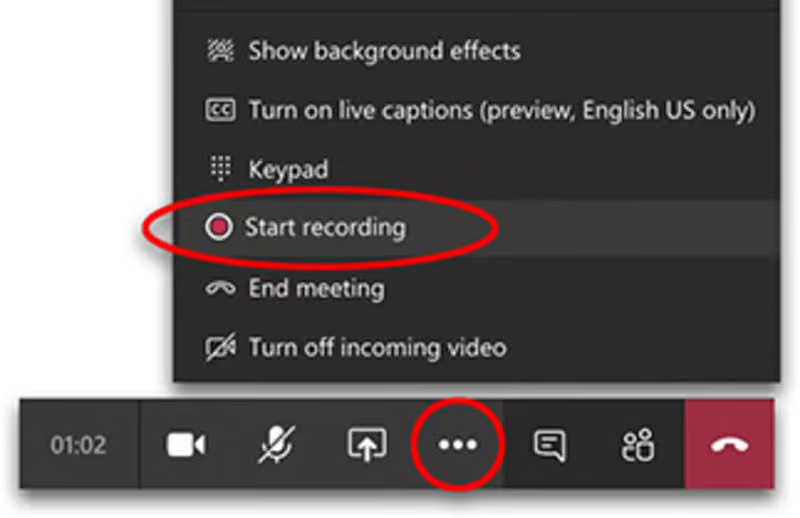
- Registreert & transcribeert het gesprek of de interactie in realtime—of dit nu persoonlijk, telefonisch of via een videogesprek plaatsvindt.
- Zet dat transcript om in gestructureerde samenvattingen, waarbij de belangrijkste momenten, besluiten, vervolgstappen en inzichten waar je direct mee aan de slag kunt, worden geëxtraheerd.
- Maakt alles doorzoekbaar, toegankelijk en archiveerbaar binnen je eigen systemen (CRM's, projecttools), zodat er niets verloren gaat of in de vergetelheid raakt.
In een zorgomgeving betekent dit dat je niet langer gehaast hoeft op te schrijven wat er tijdens je dienst is gebeurd; de assistent legt het vast en presenteert je de essentie.
Wil je je notities automatiseren door je gesprekken op te nemen? Probeer Noota nu gratis.
Maak kennis met de auteur

Veelgestelde vragen
Dagelijkse zorgnotities moeten datum, tijd, naam cliënt en zorgverlener bevatten, plus observaties over gezondheid, gedrag en ondersteuning.
- Maaltijden, medicatie en mobiliteit vastleggen
- Gedragsveranderingen en stemmingswisselingen noteren
- Medische observaties en incidenten documenteren
- Interacties met familie en professionals bijhouden
Zorgnotities vormen een audittrail voor regelgeving, onderzoeken en toezichtbezoeken in zorginstellingen.
- Bewijzen wat, wanneer en door wie gedaan is
- Beschermen tegen aansprakelijkheid en risico's
- Voldoen aan wettelijke vereisten in zorgwerk
- Transparantie voor families en toezichthouders
Noota bespaart 6,4 uur per week en reduceert administratie met 80% dankzij AI-gestuurde automatisering en 80+ taalondersteuning.
- Automatische notitie-generatie uit gesproken woord
- 4,9/5 rating op G2 van 5000+ teams wereldwijd
- Sneller dan handmatig typen of traditionele systemen
- Minder fouten en meer consistentie in documentatie
Noota is ideaal: bespaar 6,4 uur per week en verminder admin met 80% via AI-notities. Probeer Noota gratis — geen creditcard vereist.
- Automatiseer dagelijkse zorgnotities volledig
- Ondersteunt 80+ talen voor diverse teams
- Verbetert communicatie tussen zorgverleners
- Voldoet aan compliance en kwaliteitseisen