



Verkoop
8 min leestijd
Updated on:
Nov 24, 2025
Call Intelligence: een gids met de beste tools
Wil je weten wat call intelligence is en wat de beste tools zijn? Hier is je gids.
Het merendeel van je inzichten verdwijnt zodra het gesprek is beëindigd.
Dat is waar call intelligence alles verandert.
In dit artikel leer je wat call intelligence nu echt inhoudt (in begrijpelijke taal), welke KPI's je helpen om zinvolle inzichten te verkrijgen zonder overweldigd te raken, en wat de beste platforms zijn.
Wat is Call Intelligence?
Call intelligence is het proces van het opnemen, transcriberen en analyseren van telefoon- of videogesprekken—en vervolgens de opgedane kennis gebruiken om betere resultaten te behalen.
Het maakt gebruik van AI en natural language processing (NLP) om gesprekken uit te schrijven, te labelen, sentiment te detecteren, trefwoorden te extraheren en patronen te herkennen.
De voordelen?
- De stem van de klant op grote schaal: Elk gesprek wordt een bron van data. Je bent niet langer afhankelijk van enquêtes—je hoort wat potentiële klanten echt zeggen. Call intelligence legt pijnpunten, motivaties, vermeldingen van concurrenten en gemiste kansen bloot.
- Betere afstemming van content en service: Als aanbieder van AI-contentcreatie of consultancy kun je op basis van gespreksinzichten je pitches verfijnen, je contentstrategie aanpassen of modules ontwikkelen waar je klanten echt behoefte aan hebben.
- Minder handmatig werk, meer overzicht: In plaats van opnames en Excel-bestanden door te spitten, haalt het systeem naar boven wat er echt toe doet—trefwoorden, verschuivingen in sentiment, wie het woord voerde—zodat je minder tijd kwijt bent aan organiseren en meer tijd overhoudt voor actie.
- Betere coaching en prestaties: Als je een team hebt (content creators, accountmanagers, verkopers), helpt call intelligence je om best practices en verbeterpunten te identificeren door te analyseren hoe gesprekken zijn gevoerd.
KPI's om in de gaten te houden voor call intelligence
.avif)
Met Key Performance Indicators (KPI's) zie je wat werkt, wat niet werkt en waar je je op moet richten. Ik loop de belangrijkste KPI's voor call intelligence met je door.
Operationele gespreksstatistieken
Deze weerspiegelen wat er gebeurt tijdens het gesprek, en ze vormen de basis voor call intelligence.
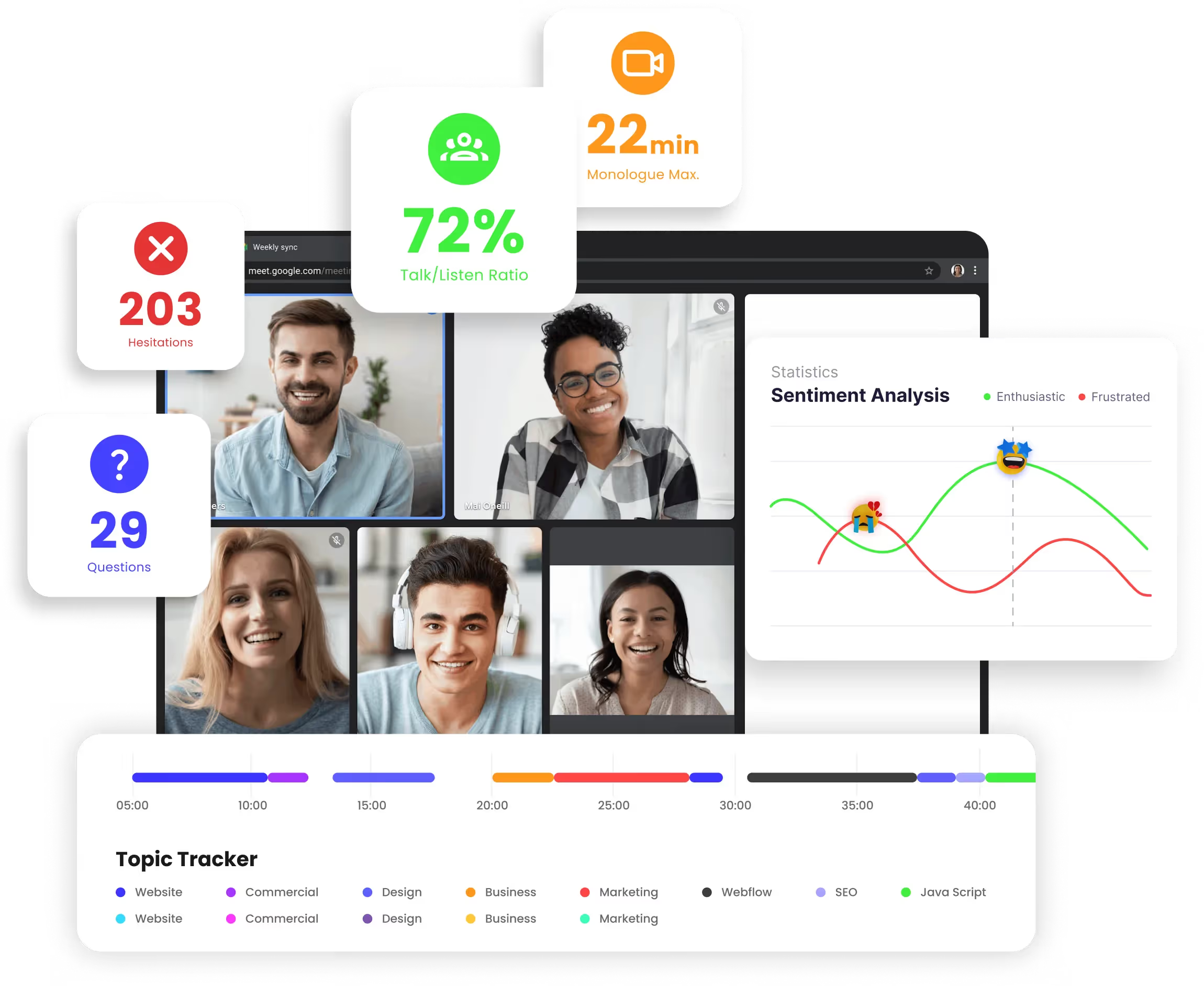
- Ratio spreken versus luisteren: Hoeveel heb jij gesproken in vergelijking met de prospect of klant? Als jij het grootste deel van het gesprek aan het woord was, heb je misschien niet genoeg informatie ingewonnen. AI-tools houden dit automatisch bij.
- Gespreksduur / Gemiddelde afhandeltijd (AHT): Hoe lang duurde het gesprek? Hoewel lange gesprekken niet per se slecht zijn, kunnen ongebruikelijk lange gesprekken wijzen op een onduidelijke agenda of uitdijende scope. Korte gesprekken kunnen betekenen dat je niet diep genoeg bent gegaan. Traditionele contactcenter-statistieken zoals AHT blijven relevant.
- First Contact Resolution (FCR): Vanuit het perspectief van consultancy of contentmarketingdiensten kan FCR worden vertaald naar "duidelijkheid bij het eerste contact" – ben je uit het gesprek gekomen met heldere vervolgstappen, of is er extra contact nodig om te verduidelijken wat er is besproken? Een hogere FCR betekent minder verspilde gesprekken.
- After Call Work (ACW) / Administratieve tijd: Hoeveel tijd besteden jij en je team aan het maken van notities, het opstellen van e-mails en het bepalen van vervolgstappen? Door dit te minimaliseren, komt er tijd vrij voor contentcreatie en strategisch werk.
Kwaliteits- en inzichtstatistieken
Dit is waar call intelligence echt uitblinkt: gesprekken omzetten in inzichten.
- Sentimentanalyse / Emotieverschuiving: Was de toon van de prospect positief, neutraal of aarzelend? Veranderde deze tijdens het gesprek? AI-tools kunnen frustratie, enthousiasme of aarzeling opmerken. Deze signalen vertellen je wanneer je vertrouwen wint—of wanneer je het verliest.
- Trefwoordvermeldingen / Onderwerpfrequentie: In een gesprek met een prospect voor contentmarketing kun je bijhouden hoe vaak termen als "AI-content", "workflow", "hergebruiken" of "kwaliteitsverlies" vallen. Als een term vaker voorkomt, is dat een aanwijzing voor je volgende contentstuk of dienstenaanbod.
- Conversieratio van vervolgstappen: Leverde het gesprek een duidelijke vervolgstap op (bijv. "we sturen de conceptversie op datum X", "jij geeft toegang tot de repo")? En is die vervolgstap in je CRM of projectbeheersysteem terechtgekomen? Als dit percentage laag is, loop je het risico momentum te verliezen.
- Risicosignalen voor deals / scope: Heeft het systeem een bezwaar gedetecteerd (bijv. "prijs te hoog", "we kiezen voor een concurrent") of werd er een concurrent genoemd? Deze waarschuwingssignalen helpen je te bepalen of je moet ingrijpen met een gerichte aanpak.
Zakelijke resultaatstatistieken
Deze laten zien hoe gespreksintelligentie bijdraagt aan je kernbedrijfsdoelen—essentieel als je diensten of content verkoopt.
- Conversieratio van leads uit gesprekken: Welk percentage van de gesprekken met prospects leidt tot een scope, voorstel of project? Gespreksintelligentie moet je helpen dit percentage te verhogen door de manier waarop je gesprekken voert en opvolgt te verbeteren.
- Doorlooptijd van content/opleveringen: Na een gesprek stuur je een opvolging en vervolgens een oplevering (bijv. conceptblog, contentstrategie). Als je deze doorlooptijd verkort, komt je dienst responsiever en professioneler over.
- Klantbehoud / Churn-percentage: Voor consultancy- en contentdiensten zijn langetermijnrelaties cruciaal. Als je gespreksinzichten gebruikt om pijnpunten vroegtijdig aan te pakken, verklein je het risico dat klanten vertrekken door een gebrek aan afstemming.
- Omzet per gesprek of per gesprek-gedreven opdracht: Hoeveel business genereert elk gesprek dat je voert (of ontvangt)? Door gebruik te maken van trefwoorden en sentimentanalyses kun je prioriteit geven aan interacties met een hoge waarde.
Beste platforms voor gespreksintelligentie
Platform A: Noota
Wat het is
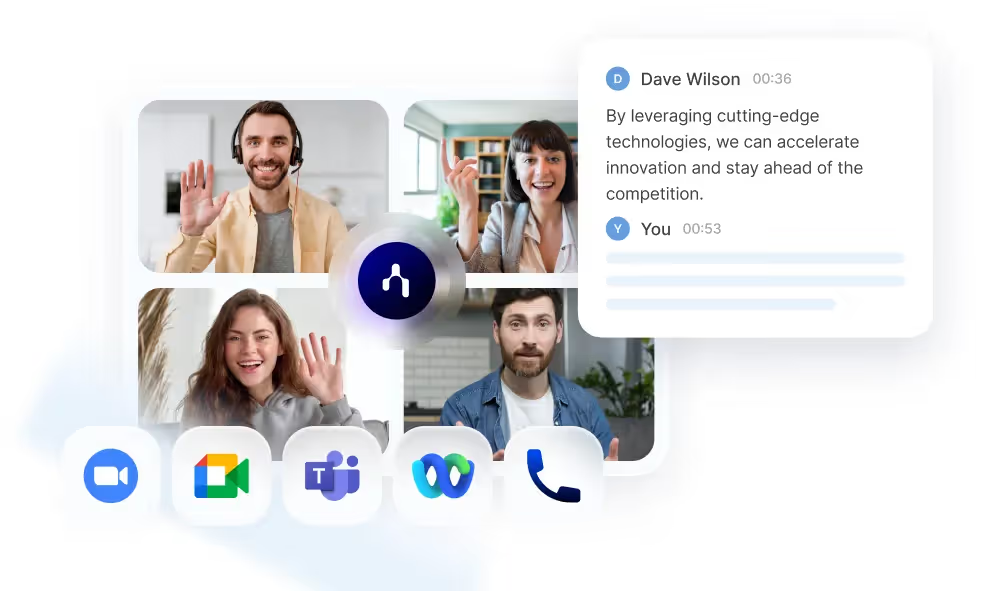
Noota is een intelligentieplatform voor gesprekken en vergaderingen dat meer doet dan alleen transcriberen: het neemt op, vat samen, labelt belangrijke momenten, detecteert toon en sentiment, en kan vervolg-e-mails en CRM-updates automatiseren.
Na een gesprek kan Noota bijvoorbeeld bezwaren, beslissingen en vervolgstappen markeren, je CRM bijwerken en een concept-e-mail voorbereiden.
Belangrijkste functies
- Realtime transcriptie van gesprekken en vergaderingen via browser of mobiele app.
- Analyse van sentiment en toon, en detectie van kernvragen en bezwaren.
- Bellen met één klik en contactdetectie op het web.
- Integratie met CRM, ATS en andere tools, zodat gespreksgegevens direct in je workflow terechtkomen.
- Geautomatiseerde e-mailconcepten en het genereren van actiepunten.
Probeer Noota nu gratis.
Platform B: Sales-gerichte tool (bijv. Gong of Chorus)
Wat het is
Deze platforms zijn primair ontworpen voor salesteams: omzetintelligentie, detectie van pipeline-risico's en coaching op grote schaal. Gong wordt in reviews bijvoorbeeld geprezen om de diepgaande analyses voor omzetvoorspellingen.
Belangrijkste functies
- Risicoscores voor deals, detectie van concurrentievermeldingen en identificatie van stakeholders
- Dashboards voor prestaties van medewerkers, spreek-luisterverhoudingen en trends in bezwaren
- Strikte integraties met CRM en sales-software
Prijzen
Vaak op basis van "prijs op aanvraag" en meestal in de hogere prijsklassen (sommige worden genoemd vanaf $100+ per gebruiker/maand).
Platform C: Mid-market / Content- en workflow-georiënteerde tool (bijv. Avoma)
Wat het is
Avoma en vergelijkbare tools vormen de brug tussen verkoopgerichte platforms en algemene notitie-apps: transcripties + inzichten + coaching + workflow-afstemming.
Belangrijkste functies
- Inzichten in gespreks patronen, hoofdstukken, onderwerp-tagging
- Live coaching en detectie van bezwaren
- CRM-integraties, geschikt voor zowel verkoop- als consultancy-workflows
Prijzen
Voorbeeld: CI-add-on voor ca. € 29 per gebruiker/maand bij jaarlijkse facturering.
Dit type tool is ideaal als je een balans zoekt tussen het vastleggen van gespreksdata en het verwerken daarvan in je content of consultancy, zonder de hoofdprijs te betalen voor zakelijke verkooptools.
Maak kennis met de auteur

Jean-marc is an AI expert helping recruiters & professionnals leverage these tools in the everyday.
Veelgestelde vragen
Call intelligence registreert, transcribeert en analyseert gesprekken met AI om inzichten te winnen. Dit helpt je pijnpunten van klanten ontdekken, je service aan te passen en handmatig werk te besparen.
- Automatische transcriptie en sentiment-analyse
- Identificeert gemiste kansen en concurrenten
- Reduceert administratief werk aanzienlijk
De belangrijkste KPI's zijn talk-listen ratio, call duration, first contact resolution en sentiment analysis. Deze metrieken helpen je gesprekskwaliteit meten en coachingpunten identificeren.
- Talk vs Listen Ratio: balans in gespreksvoering
- First Contact Resolution: duidelijkheid na eerste call
- Sentiment Analysis: emotionele toon van prospect
Noota bespaard 6,4 uur per week en reduceert admin met 80% dankzij AI-gestuurde automatisering. Met 4,9/5 op G2 en 5000+ teams wereldwijd is het de meest betrouwbare oplossing voor teams.
- 80% minder administratief werk dan concurrenten
- Ondersteunt 80+ talen voor globale teams
- Hoogste G2-rating in call intelligence categorie
Noota is ideaal voor sales coaching omdat het automatisch best practices en zwakke punten identificeert. Bespaar 6,4 uur per week op administratie en focus op strategische verbetering. Probeer Noota gratis — geen creditcard vereist.
- Analyseert gesprekspatronen automatisch
- Geeft real-time coaching feedback aan teams
- Integreert naadloos met bestaande workflows