


Hiring & Talent Acquisition
8 min reading
Updated on:
Dec 16, 2025
Intake Meeting : Tips & Agenda
You want to know what a Intake meeting is and how to conduct one well ? Here's your guide.

You kick off a hiring process feeling aligned, only to realize weeks later that expectations were never truly clear.
This is where intake meetings make or break your recruitment efforts.
In this guide, you’ll learn what an intake meeting really is, and which questions and agenda you should rely on.
What Is an Intake Meeting
An intake meeting is a structured kickoff discussion designed to bring everyone onto the same page before any work begins.
Recruiters and hiring managers sit down — either virtually or in person — and outline exactly what the open role requires, who an ideal candidate looks like, and how the hiring process will proceed. But the concept goes beyond hiring: you can use intake meetings anytime you want to ensure a shared understanding at the start of a collaboration.
So what happens during an intake meeting? At its core, you’ll discuss three things: clarity, alignment, and strategy. First, you clarify what the goal is. For example, if you’re filling a role, you break down the job responsibilities, must-have skills, and desired experience. Then you align on expectations: what success looks like, how you’ll measure it, and what the timeline looks like. Finally, you map out a strategy — the steps, tools, and checkpoints that will guide your work.
Why does this matter for you? When you take the time to truly understand what’s needed before you act, you prevent backtracking, save time, and reduce confusion later on. You also create a record of shared decisions and questions you might revisit during the project.
How to Conduct a Really Good Intake Meeting
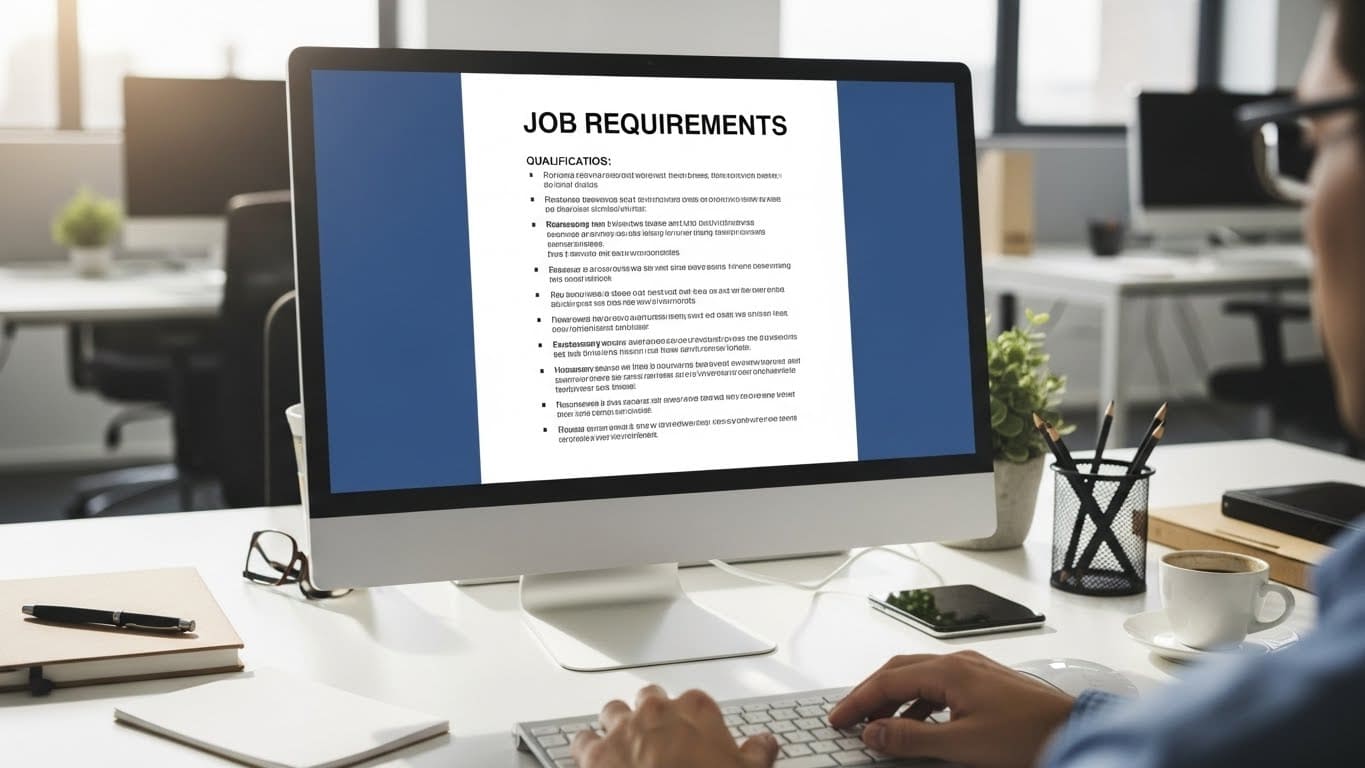
First, prepare before you walk into the meeting. This means doing your homework on the role, the team, and the current job market. Look up the job description, benchmark salary ranges, and typical candidates in this space so you can talk confidently about what’s realistic — and where there might need to be flexibility. Showing up informed helps you build credibility with hiring managers and makes the discussion more productive.
Next, set a clear agenda and share it in advance. You want the hiring manager to know exactly what you plan to discuss so they can come prepared with thoughtful answers instead of off-the-cuff responses. A typical agenda can include clarifying the job role, defining must-have versus nice-to-have qualifications, setting timelines, and reviewing the interview structure. This agenda isn’t just a formal list — it anchors your meeting so you both stay focused on the outcomes you need.
During the meeting, make active alignment your central priority. Ask targeted questions that uncover real expectations and constraints. For example, dig into why the role exists, what success looks like in the first 90 days, and how the team will interact with this new hire. Asking “What’s non-negotiable?” early on helps you avoid sourcing candidates who simply don’t fit the hiring manager’s core needs.
Listen more than you speak, but don’t hesitate to challenge assumptions when needed. Sometimes hiring managers have an idea of the “perfect” candidate that might not exist in today’s market — and you’re the recruiter who can bring that market insight into the conversation.
Aim for clarity on the process and timeline as well. Many intake meetings focus too narrowly on role details and forget to align on how you’ll recruit. Make sure you agree on interview steps, communication preferences, turnaround time for feedback, and how often you’ll update each other. You’ll be surprised how much time this saves later when you’re coordinating candidate reviews and scheduling interviews.
Don’t underestimate the value of clarifying roles and responsibilities. Intake meetings are your chance to reinforce that recruiting is a partnership: the hiring manager defines business needs, and you translate that into an effective sourcing strategy. Agree upfront on who will write job ads, who screens first-round candidates, and who handles candidate communication.
Intake Meeting Questions & Agenda
Below is a detailed agenda you can follow, with concrete topics and sample questions you can use at each stage of your intake meeting.
🔹 Agenda Overview
1. Welcome & Meeting Goal (5 minutes)
Start by aligning on why you’re here and what you want to walk out of the room with. This primes everyone to stay focused. Mention that the purpose of this intake meeting is to define the role, expectations, success metrics, and hiring process before you begin sourcing candidates.
2. Role Clarification (10–15 minutes)
This is where you ground the conversation in what the job actually involves.
Key questions to ask:
- Why do you need to hire for this role? What problem are you trying to solve?
- What’s the official title, location, and reporting line of the role?
- What are the top 3 outcomes you expect from this hire in the first 90 days?
These questions help you turn vague expectations into concrete requirements and show the hiring manager that you’re thinking in terms of business impact — not just bullet points on a job description.
🔹 3. Candidate Profile: Must-Haves vs. Nice-to-Haves (15–20 minutes)
After you’ve defined the role, you need a clear candidate profile. This prevents you from chasing candidates who check every box on paper but won’t succeed in the real world.
Questions to shape the profile:
- What qualifications and skills are non-negotiable? Why?
- What skills are nice-to-have but not essential?
- Is industry experience required — or can transferable skills cut it?
You should also probe into cultural fit and soft skills:
- What personality traits or work styles succeed in this team?
- Describe the best employee you’ve ever had in a similar position — what made them great?
These deeper profile questions help you craft messaging that attracts the right candidates — not just any candidates.
🔹 4. Compensation & Logistics (10 minutes)
Don’t skip compensation and logistics. Misalignment here is one of the fastest ways a search derails.
Budget & working arrangements:
- What’s the salary range (and bonus/benefits, if applicable)?
- What working arrangements are acceptable (remote, hybrid, on-site)?
- When is the ideal start date?
Get this out in the open early — it helps prevent candidate disappointment later and improves your credibility as a recruiter who champions transparency.
🔹 5. Hiring Process & Decision-Making (15–20 minutes)
Now that you understand the role and the profile, it’s time to align on how you’ll assess and hire the candidate.
Process questions:
- What are the steps in the interview process? Who’s involved at each stage?
- Who has final sign-off on offers?
- How quickly can you and the team provide feedback on candidates?
You can also ask: How do you plan to evaluate key competencies at each stage? So that when you start screening, everyone is calibrated on what “good” looks like.
🔹 6. Closing & Next Steps (5 minutes)
Wrap up by summarizing key decisions you’ve made during the meeting: must-haves, compensation, timeline, process steps, and responsibilities. Get verbal agreement and confirm next actions — for example: “I’ll draft the job ad and send it by EOD, you’ll review it by tomorrow afternoon.”
Finally, clarify how you’ll communicate updates during the search so you keep the hiring manager in the loop without unnecessary back-and-forth.
Intake Meeting AI Notes: Noota

When you run intake meetings — especially for hiring — you can’t afford to lose nuance or forget key decisions. That’s where an AI meeting assistant like Noota helps :
📌 Automatic Recording & Transcription
With Noota, you never scramble to take notes while someone speaks. It automatically records and transcribes your intake meetings in real time, whether they’re on Zoom, Google Meet, Microsoft Teams, or even in person. You get a full transcript that’s searchable and reflects the conversation accurately. This means you can focus on listening and asking meaningful questions — not frantically typing.
🧠 Structured Summaries & Action Items
Noota doesn’t just capture words — it turns them into something useful. After your meeting ends, it generates AI-powered summaries and structured reports that highlight key takeaways, decisions, and next steps.
🧾 Write Follow-Ups & Keep Things Moving
One of the most practical benefits of Noota is its ability to handle follow-ups. After the meeting, it can automatically draft follow-up emails or tasks based on your discussion. You just review, tweak if needed, and hit send.
🔍 Search & Retrieve Insights Later
Over time, your meetings generate a lot of valuable data. Noota turns that into knowledge you can reuse. You can search across past intake meetings to find decisions, compare candidate discussions, or even extract recurring needs across similar roles.
🔒 Security, Integrations & Workflow Fit
Finally, Noota integrates with the tools you already use — like CRMs, ATS systems, and team collaboration platforms — so the insights flow into your existing workflow. Your notes and recordings are stored securely with strong encryption and compliance safeguards, giving you confidence that sensitive hiring information stays protected.
TRY NOOTA FOR FREE NOW
Meet the Writer

Jean-marc is an AI expert helping recruiters & professionnals leverage these tools in the everyday.
FAQ
An intake meeting is a structured kickoff discussion that aligns recruiters and hiring managers on role requirements, ideal candidate profiles, and hiring process steps before sourcing begins.
- Clarifies job responsibilities, must-have skills, and desired experience levels.
- Establishes shared expectations around success metrics and project timeline.
- Maps out strategy, tools, and checkpoints to guide recruitment work forward.
Preparation is critical for credibility and productivity. Research the role, team context, and current job market benchmarks before the meeting starts.
- Review the job description and benchmark salary ranges in your market.
- Study typical candidate profiles and skills for similar positions.
- Share a clear agenda in advance so hiring managers arrive prepared with thoughtful answers.
Noota automatically transcribes, summarizes, and organizes intake meeting discussions across 80+ languages, eliminating manual note-taking and reducing admin by 80% compared to traditional methods.
- Captures every detail without distracting note-takers from active listening and alignment.
- Generates searchable records of shared decisions and questions for future reference.
- Saves 6.4 hours weekly on meeting documentation and follow-up tasks.
Noota is the ideal solution for intake meetings, trusted by 5000+ teams with a 4.9/5 G2 rating. It captures clarity, alignment, and strategy discussions automatically.
- Records and transcribes meetings in real-time across 80+ languages effortlessly.
- Eliminates 80% of administrative work around meeting notes and follow-ups.
- Try Noota free — no credit card needed to transform your intake process.